Tokyo is full of amazing places to eat. For those looking for a personal recommendation, we have just the place: Takenoshita Soba. At this restaurant, you can experience the art of soba-making and the passion of those who make it.
Handmade soba in the heart of Harajuku
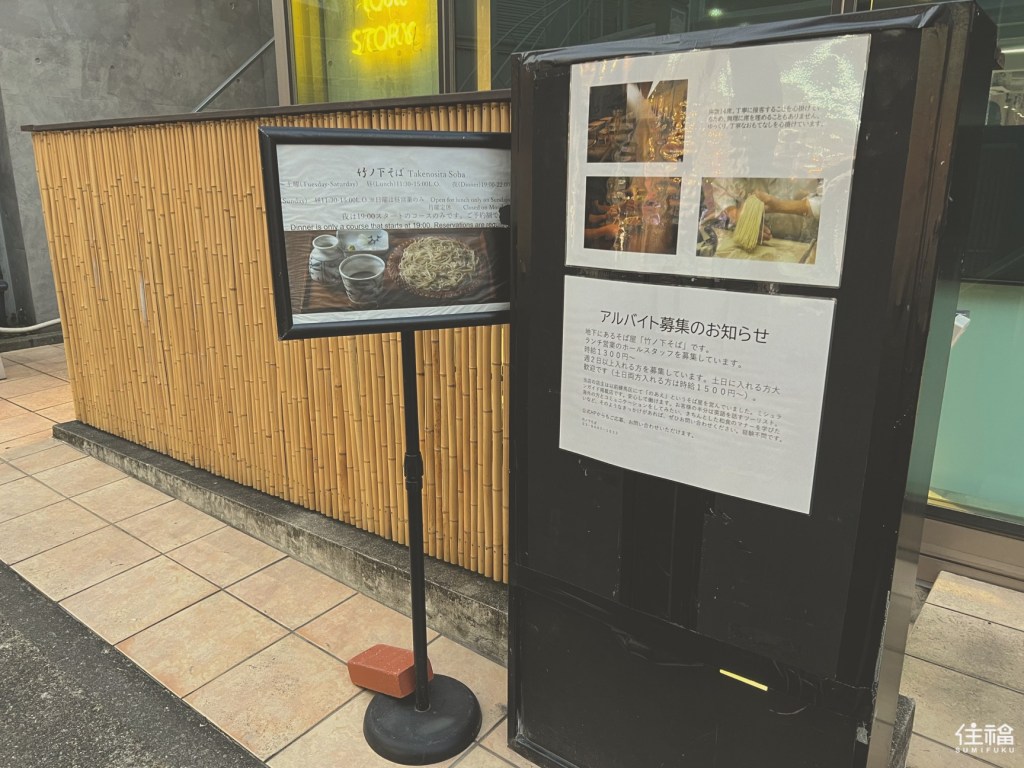
Located in the middle of Takeshita-dori, this restaurant is especially popular with European and American tourists wanting to try authentic handmade soba.
The owner of Takenoshita Soba, Ryuji Yamakoshi, used to be a sake critic but instead became a buckwheat producer. He also owns the restaurant ‘Noae’, which has won the Bib Gourmand a number of times.
Takenoshita Soba opened its doors in spring 2023, offering exquisite handmade buckwheat noodles and friendly service.
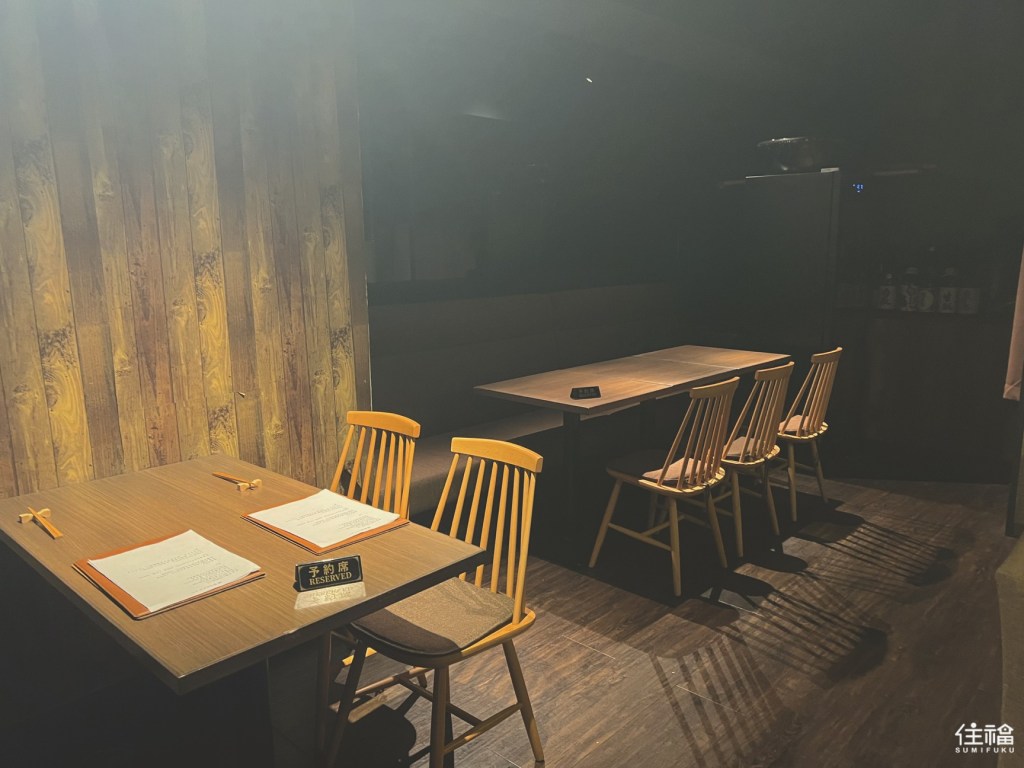
Those who want to visit will need to make a reservation in advance. With limited seating available, eating at Takenoshita Soba feels like an exclusive experience — one that only a few lucky people get to have each day.
The menu changes on a weekly basis to ensure that the seasonal ingredients in each dish are as fresh and tasty as they can be. A vegetarian set menu is also available. From the noodles to the tempura batter, everything is made right in front of your eyes with the utmost care, passion, and expertise.
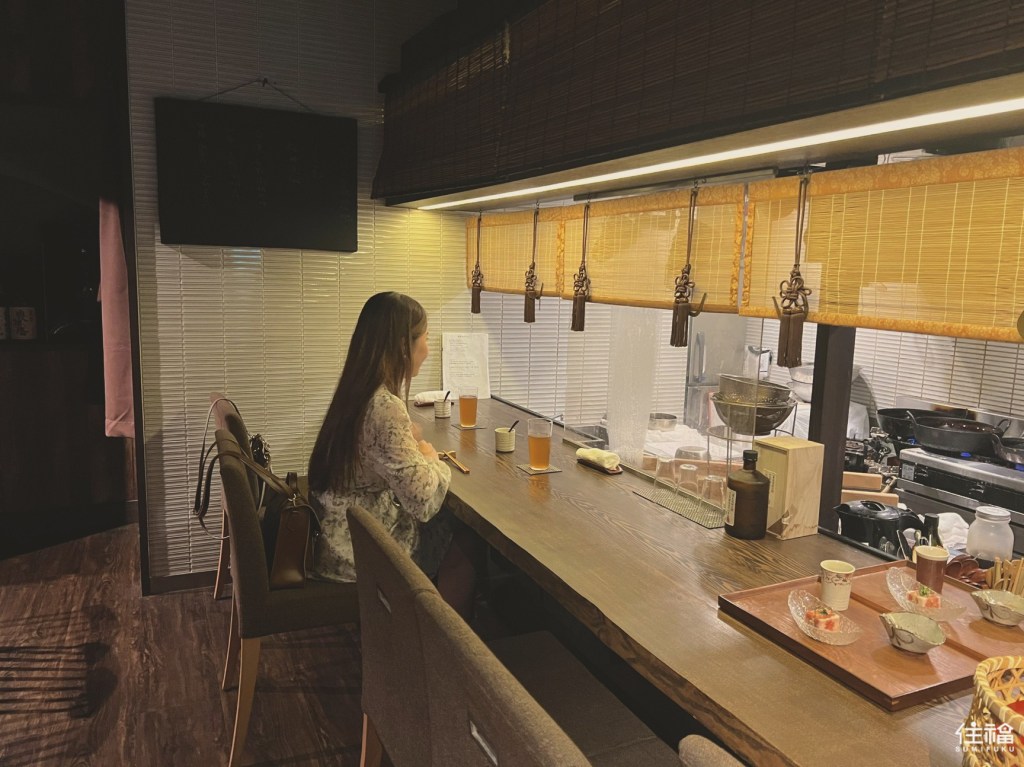
Inside, the atmosphere is relaxing and quiet, a world away from the hustle and bustle of Takeshita Street above. Although eating here feels like fine dining, the staff and overall ambience make everything feel more laid-back and intimate.
Appetizer
On this visit we tried the dinner-only shrimp and seasonal vegetable tempura course (海老と野菜の天ぷらコース).
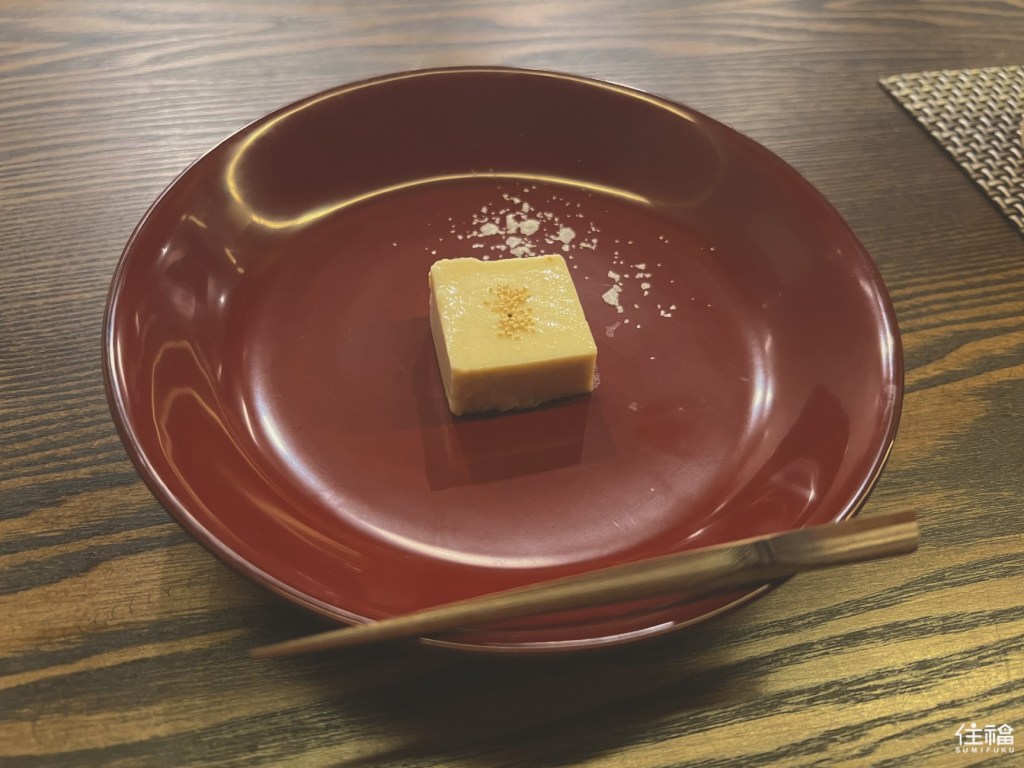
The first course was “Rikyu Tofu,” a type of sesame tofu with a rich aroma and light taste. It was served beautifully, decorated with salt on top.
Next up was one of Takenoshita Soba’s signature dishes, “蕎麥の実おひたし” (buckwheat fruit in cold sauce). The buckwheat fruits are cooked in order to retain their chewy texture and then soaked in a delicious juice. This gives them a delicious flavor and appetizing texture that demonstrates the restaurant’s expertise in using buckwheat as an ingredient.
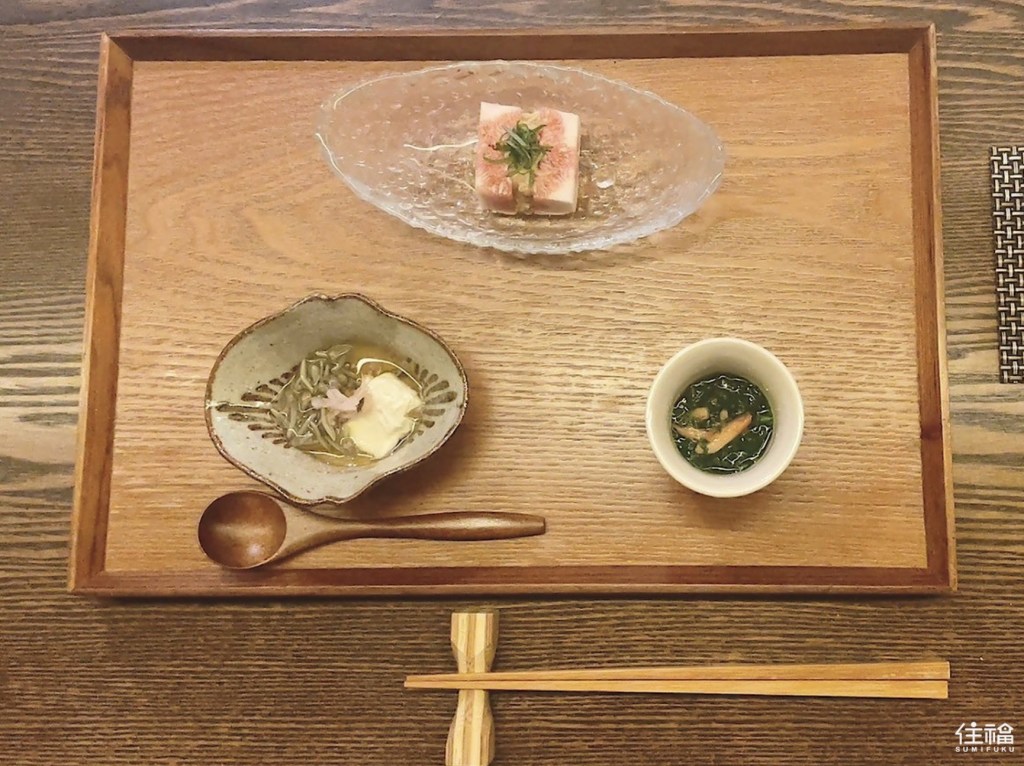
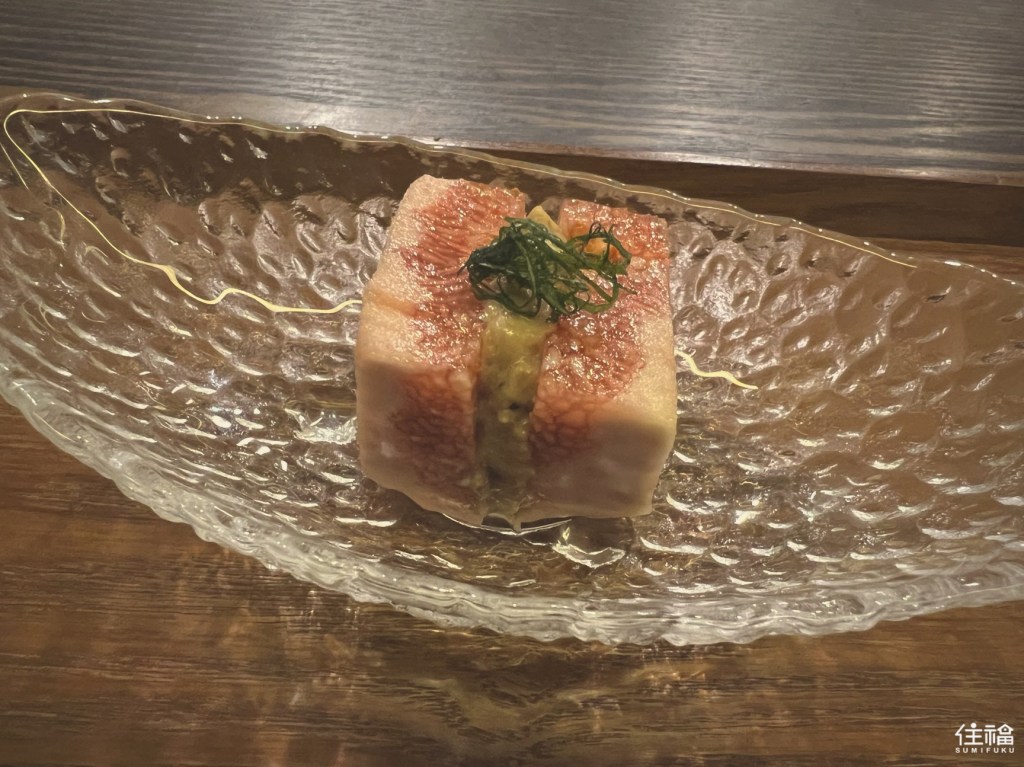
After this, we received a three-piece vegetable plate. There were five different vegetable dishes that we could choose from, and after struggling to decide which three to go for, we asked for Mr. Yamankoshi’s recommendation. In the end, we tried the “Seasonal Brasil Vegetables with Vinegar in Soup (初物 じゅん菜と汤葉の酢の物),” “Figs with Roasted Eggplant and Sesame Paste (いちじくと焼きナスの胡麻和え)” and “King’s Vegetable with Cherry Blossom Shrimp (モロヘイヤのたたき 桜エビおひたし)”.
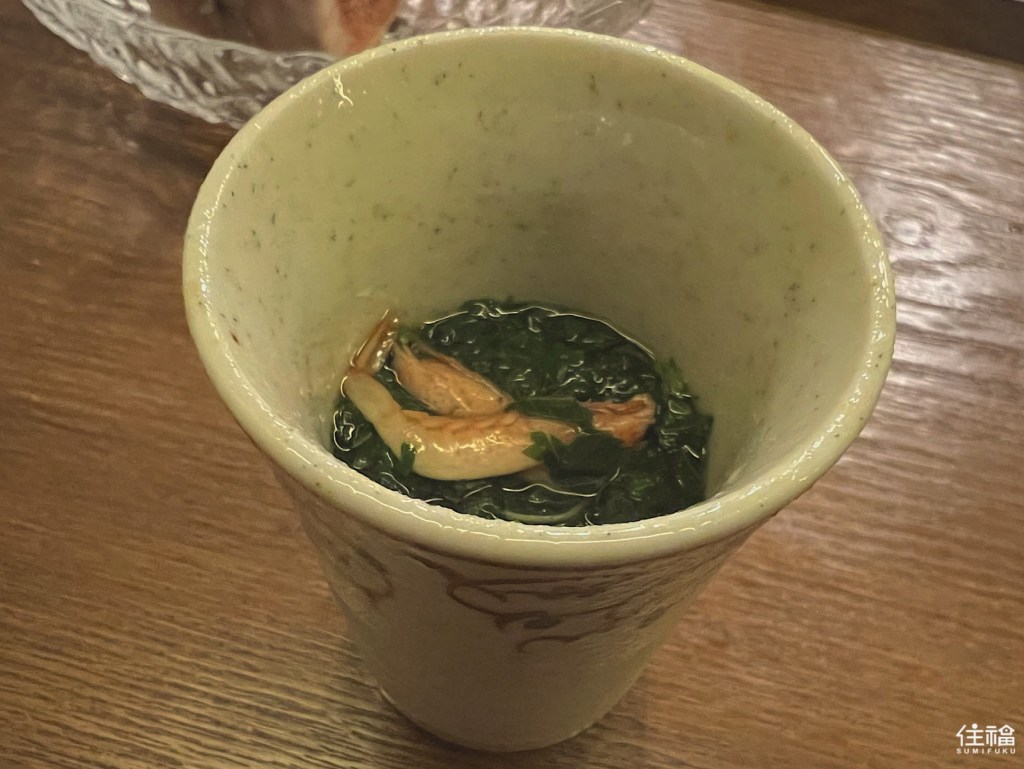
Before making the final selection, Mr. Yamakoshi let us know that the King’s Vegetable (モロヘイヤ) would have a slight bitterness. The best way to enjoy this small vegetable dish was by drinking it. Although it was bitter there was an element of sweetness too. What stood out most however was the contrast of textures between the crunchy shrimp and soft vegetables.
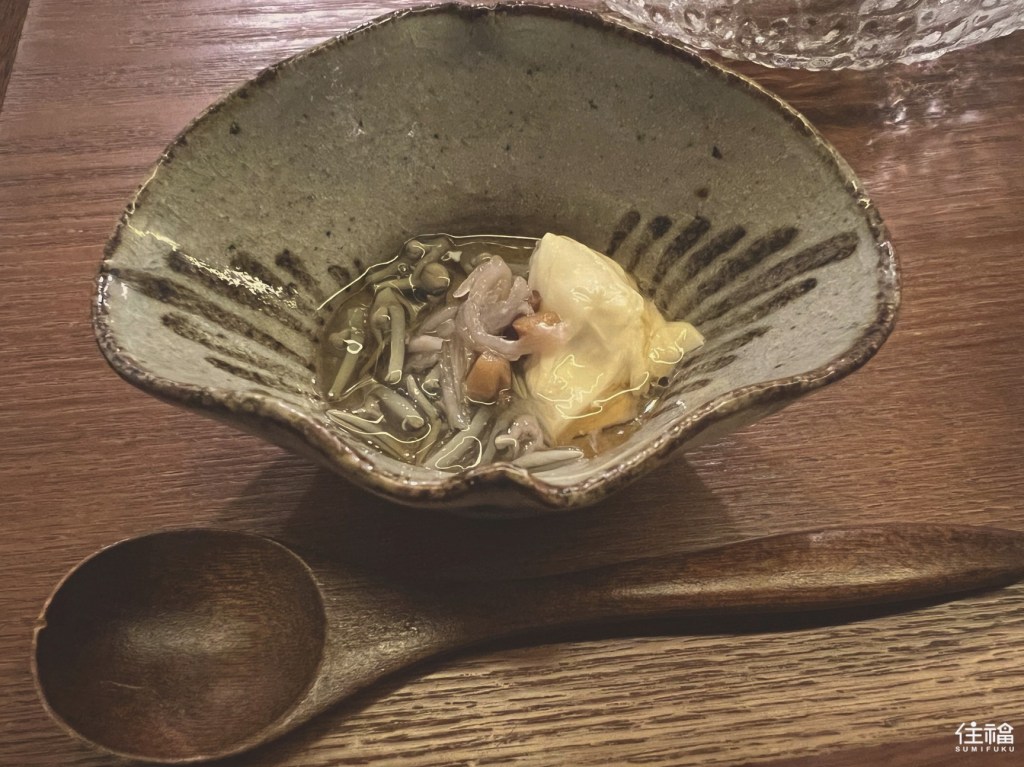
The second course was “Seasonal Brasenia and Vinegar with Broth (初物 じゅん菜と湯葉の酢の物)”. Brasenia is a summer water lily plant that has a rather refreshing taste and interesting texture to it.
The final dish of this vegetable trio was “Fig and Roasted Eggplant with Sesame Sauce (いちじくと焼きナスの胡麻和え)”. This dish consisted of a pair of sliced figs with rich roasted eggplant and sesame sauce in the middle.
Shrimp and seasonal Tempura
Tempura and soba are staple dishes in Japanese food culture. Though they may look like simple dishes to make, they actually require some specific technique to get the best taste.
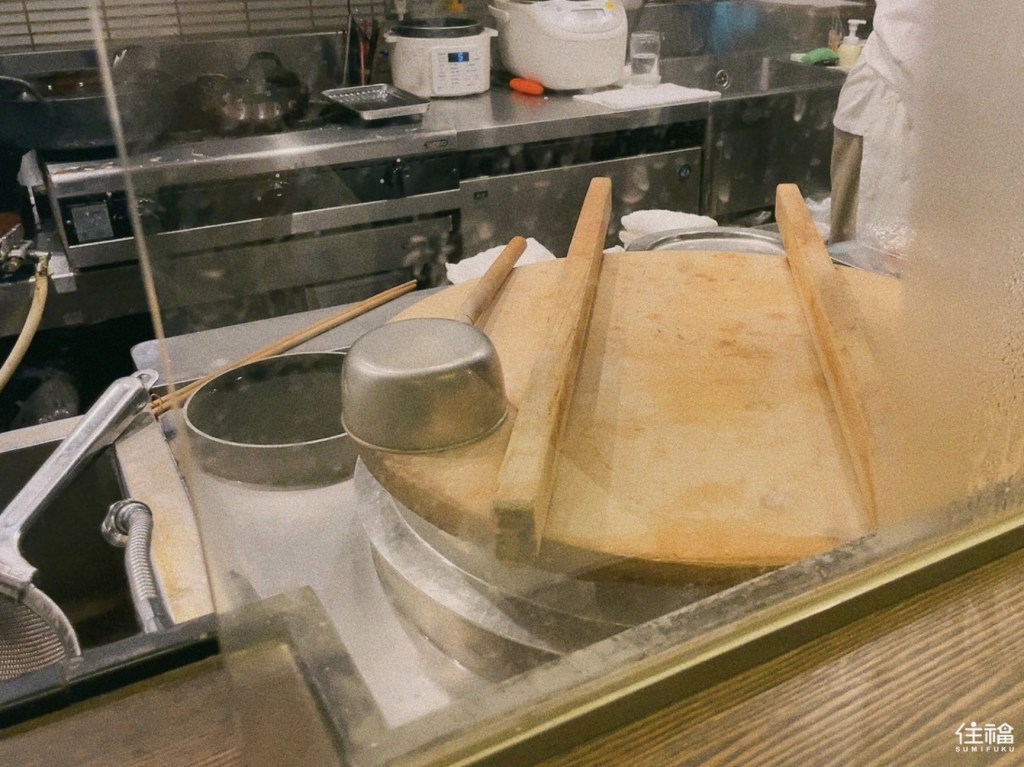
The tempura (天ぷら) at Takeshita Soba is prepared right in front of your eyes. Not only does this give guests a chance to witness Yamakoshi’s impressive techniques but also understand what goes into perfecting a piece of tempura.
There are 10 tempura dishes, with the first being the crispy and chewy shrimp heads. The ones after included asparagus, corn, fava beans, mountain vegetables, and bell peppers. Each individual piece was covered in a special handmade batter and deep-fried at high temperatures, which helped to lock in sweet flavors. It is recommended that you eat the tempura with the salt paste or special dipping sauces to further enhance the flavors.
The fried asparagus tempura, in particular, surprised me. It was the first time I had seen asparagus thicker than a finger! Mr. Yamakoshi recommended starting from the tenderest part of the asparagus. The asparagus had a crisp texture, moisture, and natural sweetness.
According to Mr. Yamakoshi, he personally selects each ingredient, making sure that they are up to his standard. This just highlights the expertise and care he puts into ensuring each of his dishes taste exactly how he envisions them to. There are also some rather innovative dishes on the menu. In this dish pictured above, the deep-fried seasonal vegetables are topped with a thickened sauce and minced shiitake mushrooms.
There is also this dish of zucchini tempura with cauliflower green sauce. The zucchini melts in your mouth and blends perfectly with the sauce.
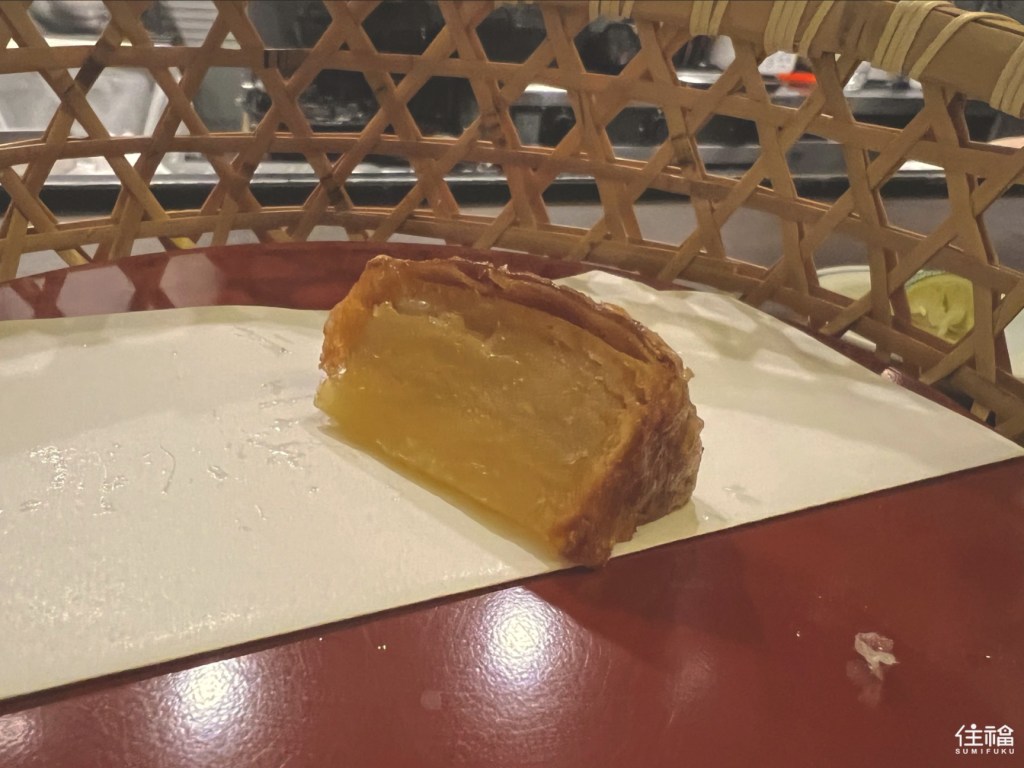
Last but not least was the sweet potato tempura. This sweet potato, coated in honey and then fried, was not only crispy but also perfectly chewy. It tasted more like a dessert than an appetizer.
The Soba
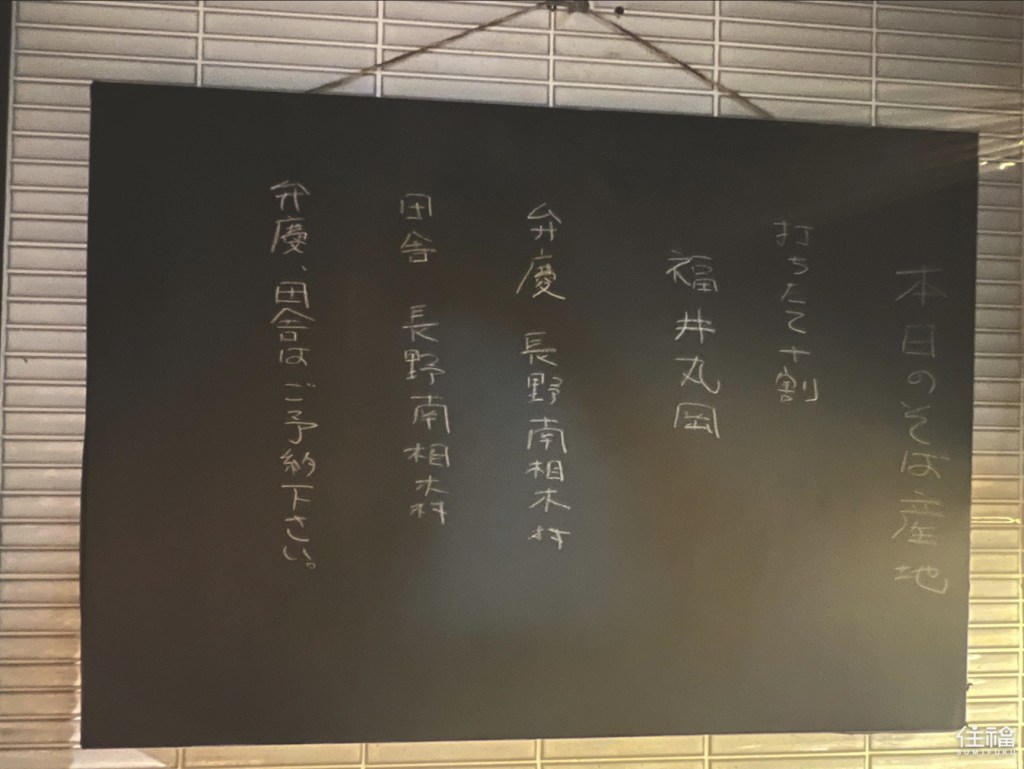
As previously mentioned, the menu changes each day. This means the type of buckwheat noodles used in the set menu also changes.
In the set menu I tried, I was able to choose one of three types of buckwheat noodles, all of which have been hand-beaten using pure buckwheat flour (打ちたて十切).
The percentage of buckwheat in these handmade noodles is adjusted according to the quality of the buckwheat on the day, the state of the buckwheat after milling, the temperature, and the humidity.
The advantage of sitting at the bar is that you can watch the chef prepare the dishes, and it’s amazing to see the smoothness and attention to detail.
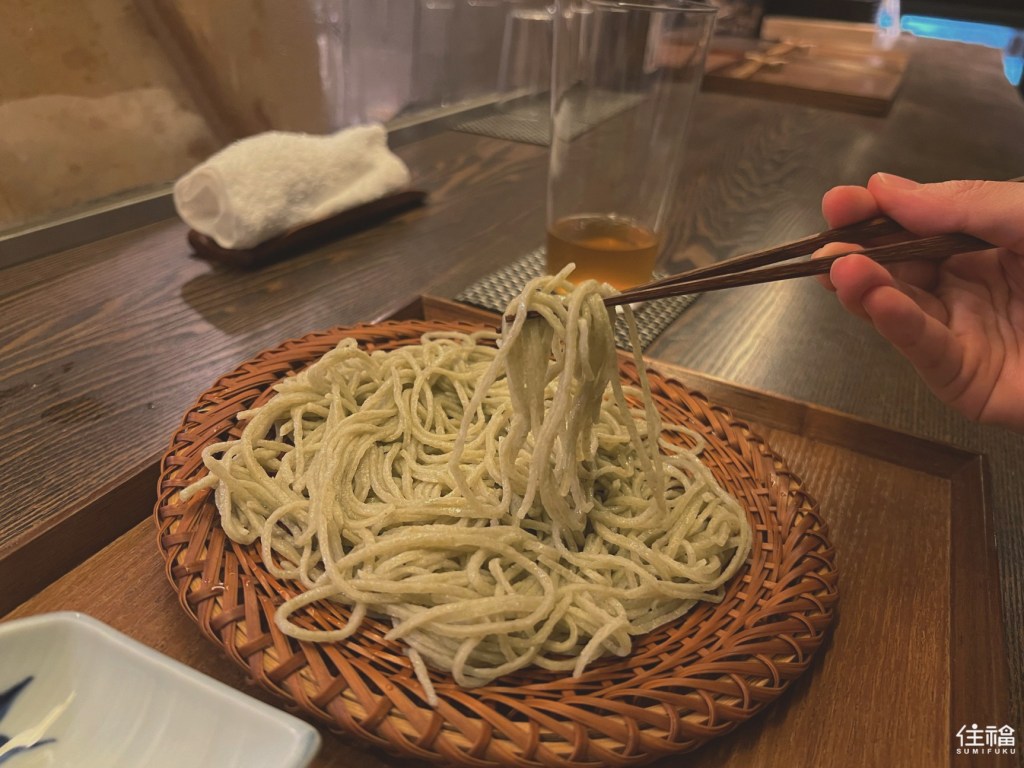
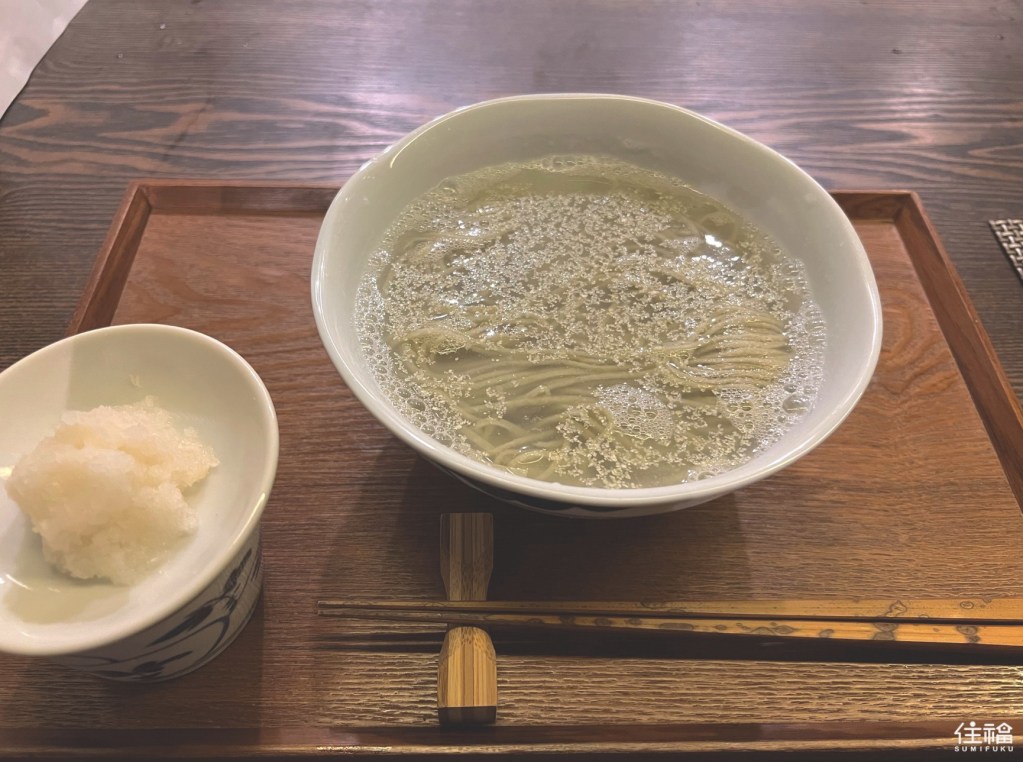
Takenoshita Soba’s “もり蕎麦” is a Japanese staple and the simplest type of cold buckwheat noodle. It is usually served with wasabi, grated radish and salt. It’s one of the best dishes for a hot day!
Takenoshita Soba’s “もり蕎麦” is a Japanese staple and the simplest type of cold buckwheat noodle. It is usually served with wasabi, grated radish and salt. It’s one of the best dishes for a hot day!
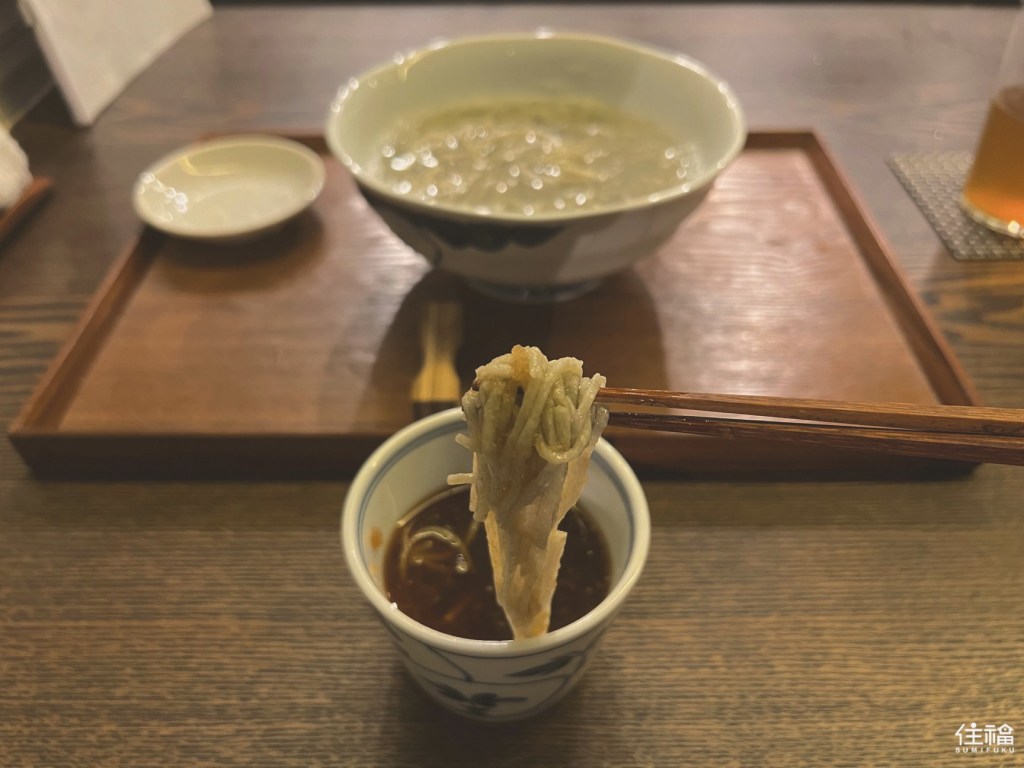
It is recommended to dip the noodles in a little bit of salt first. You should also dip the soba noodles in the special dipping sauce and your favorite condiments, and taste the deep flavor of cold soba noodles over and over again. Buckwheat has a rich aroma and a delicate texture, and the more you chew, the more you can feel the light fragrance and sweetness of the noodles.
If you are a soba lover, you should try “Kama-yeon soba”, as it has a much stronger aroma to it.
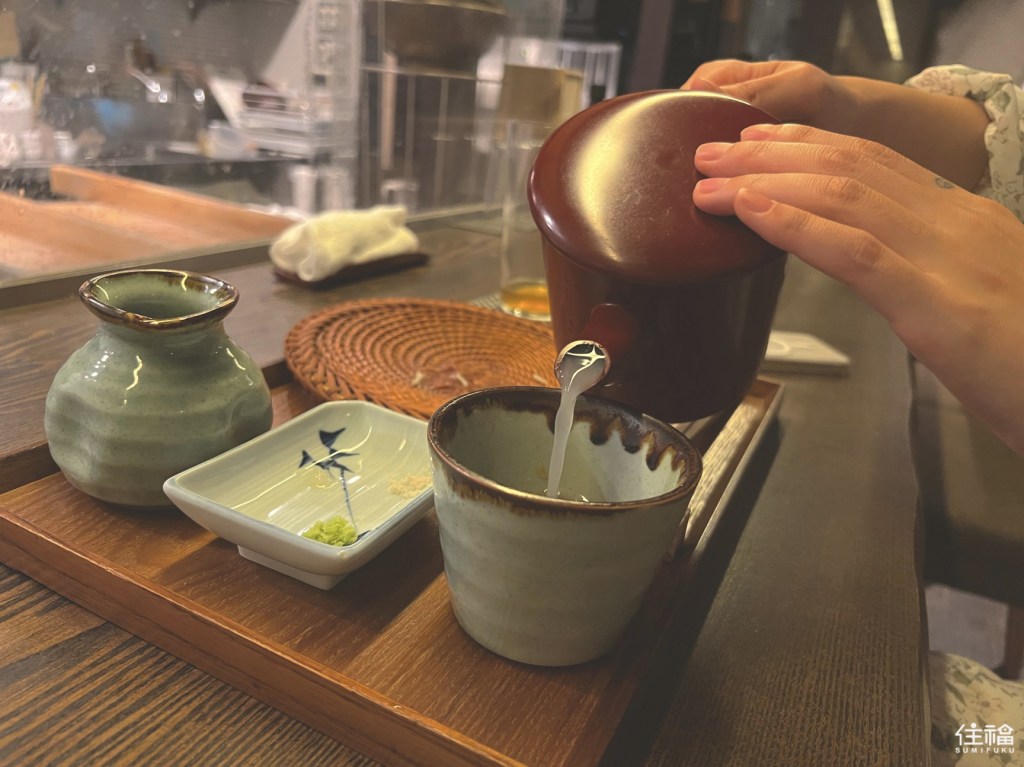
Everytime before Mr. Yamakoshi served his soba, he sprinkled a special buckwheat flour over the noodles.
If you do opt for the Kama-yang Soba, you should also add spicy radish puree or half-boiled egg. On that day, we chose the traditional spicy mashed radish and soba noodles.
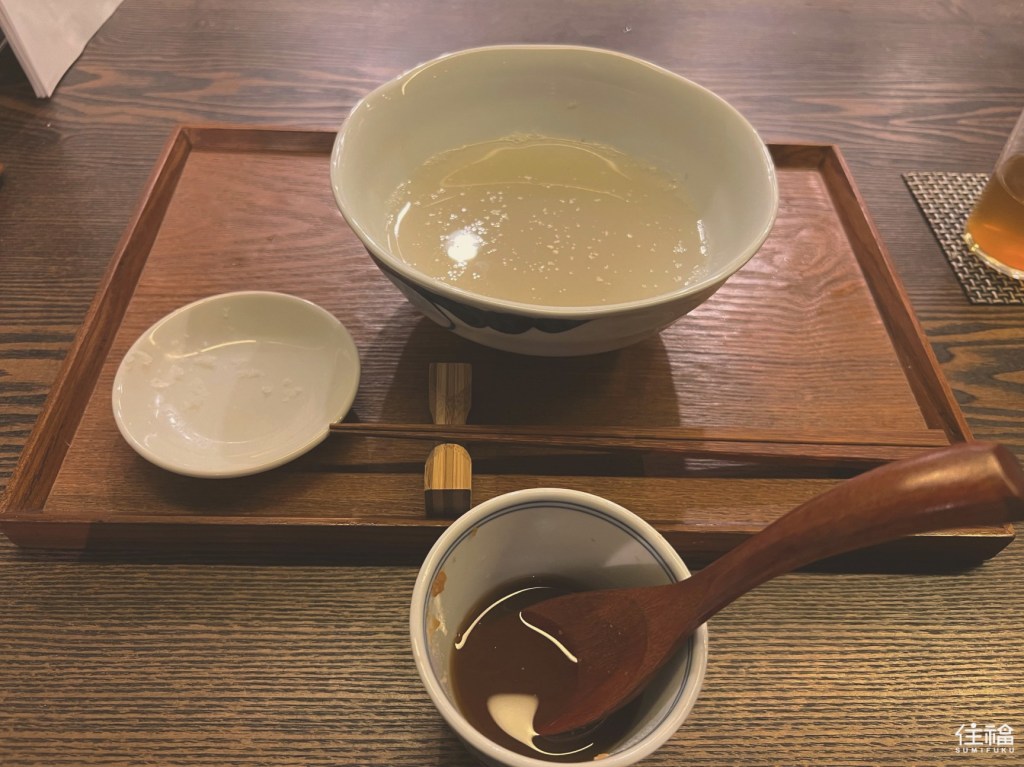
After tasting the noodles, we looked at the big bowl of soup on the table and wanted to drink it, but we worried that it would be considered impolite, so we plucked up the courage to ask Mr. Yamakoshi about it. According to Mr. Yamakoshi, some do drink the soup directly after eating the noodles to get a taste of the rich soba broth, while others just enjoy dipping in more noodles.
Dessert
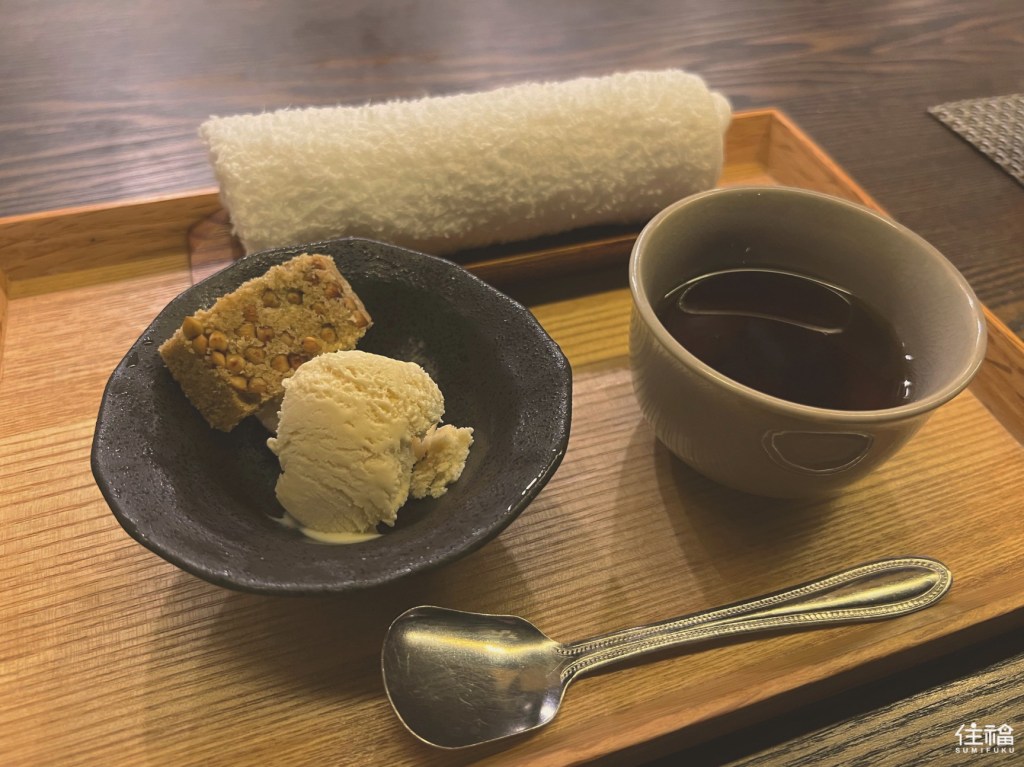
After savoring the delicious tastes of the handmade soba, it was time for dessert which was also made from buckwheat. On the menu was both a homemade buckwheat ice cream and homemade baked buckwheat cake.
The ice cream was dense, light and sweet, with buckwheat fruits inside. The toasted buckwheat cake was delicious and served with some hot tea. It was a wonderful end to an impressive set menu, and a perfect ending to a one-of-a-kind culinary experience.