Upon arriving in Tokyo, whether at Narita International Airport (NRT) or Haneda Airport (HND), you’ll soon face a key decision: how to get from airport to the hotel or city centre?
With many options like taxis, trains, and shuttle/limousine buses available, each has its pros and cons. Most guides list them fairly generically but few dive into practical nuances. However, this comprehensive guide includes information on language support, and tips, like how to hail or book a taxi, recommendations for booking train tickets, where to book airport limousine buses, good to know phrases, etiquette like what not to do, and more!
A Quick Comparison of Transportation Options
| Transportation | Who is it for | Price range (JPY) | Service perks |
| Taxi | Families, travelers with lots of luggage, late arrivals | ¥6,000 – ¥22,000+ (flat rates available) | Door-to-door, private, luggage handled, highway/general road options |
| Train | Solo travelers, budget-conscious travelers | ¥1,000 – ¥4,000 | Frequent services, fast, English signage, reserved seating on NEX/Skyliner |
| Shuttle Bus | Families with moderate luggage, budget-conscious travellers | ¥1,000 – ¥3,600 | Luggage tagging to prevent loss, direct to major hotels |
*These are rough estimates for the Tokyo area. Actual fares depend on route, time and terminal.
*If you’re looking for a private airport pick up, Sumifuku offers just that!
BONUS: Here’s a free transportation guide, so you can easily navigate the trains and airport limousine buses in Tokyo.
Taxi
How to hail a taxi
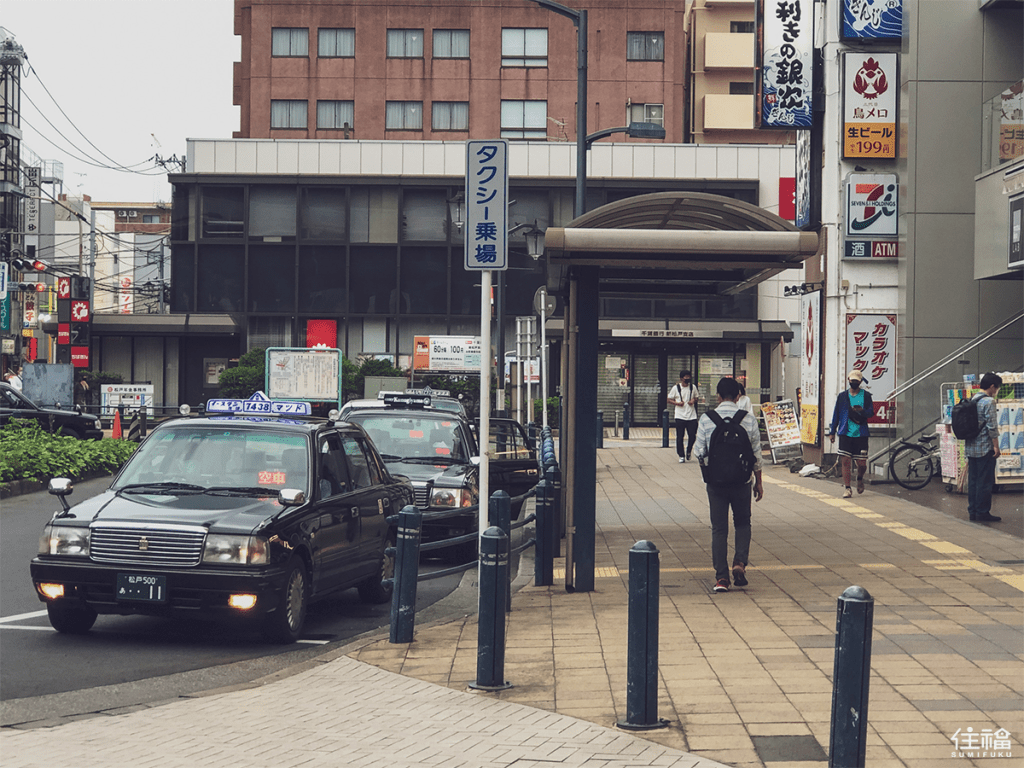
Taxis are plentiful in central Tokyo. Most roam around popular spots, outside hotels or queue in front taxi stands at the airport terminals on the arrivals floor. You can flag one down whose roof light is green (“空車” means available). During early morning/late night hours or in the suburbs/quieter areas, when there are fewer available, it is recommended you book a taxi through an app.
Taxi types, fares and payment methods
Standard sedans with up to 4 passengers and larger vans are available. Some services use flat-rates rather than meters. For example, private airport transfers have flat fares from Tokyo to Narita or Haneda. Normally the meter starts when you board, and you’re usually asked if you prefer the 高速道路 (highway) or 一般道路 (general road). Depending on which you are prioritising at the moment, the choice is between speed and saving on money.
Most taxis accept cash, major credit cards, and IC cards (Suica or Pasmo).
Note: Doors open automatically, drivers usually assist with bags, and the vehicles are truly immaculate!
English-friendly Taxi Apps: Uber vs GO Taxi
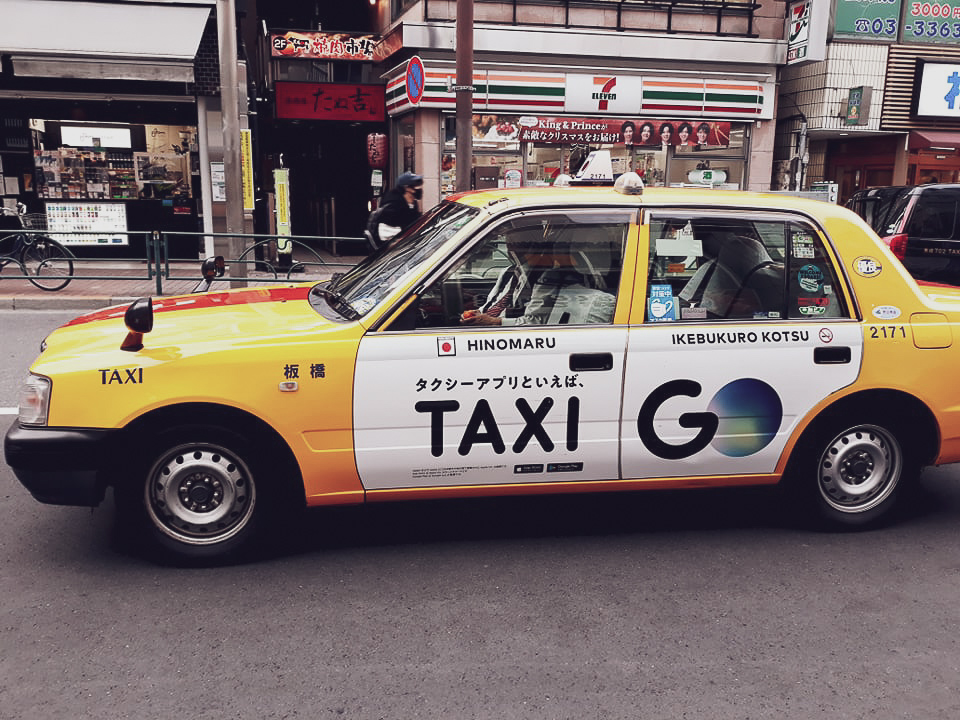
While Uber operates in Japan, it functions more like a dispatch taxi service as ridesharing is restricted. Another local option is GO Taxi which connects you with licensed taxis.
For English-friendly booking, these two leading apps dominate:
GO Taxi
Pros:
- Is Japan’s largest network of licensed taxis, covering 46 prefectures
- Accurate fare estimates
- You can pay via IC cards, cash, credit, PayPay or D (d-point) pay
- Reliable and intuitive English interface
- Can link air miles
- Ride-sharing is available
- Coupons available
- Offers flat rate options
Cons:
- You can only register with a verified Japanese phone number
Best for: Travellers who want to ride in a licensed taxi and transparent pricing.
Uber Japan

Pros:
- Internationally familiar app interface
- Easy for first-time users
- You can register without a Japanese phone number
- Sometimes offers fixed-rate airport transfers
- Coupons/discounts available
- Simplified interface option for elders
- You can pay via cash, credit, rakuten pay, PayPay or a giftcard
Cons:
- Ridesharing is not available
- Fewer vehicles than GO Taxi
- Less coverage across Japan/suburban areas
- Sometimes higher fares at peak times
Best for: Visitors who already have an Uber account, don’t have a registered Japanese phone number, or are arriving during off-peak hours.
Which is better?
Verdict: GO Taxi is generally the better choice for reliability, price/value and coverage, but you must have a Japanese phone number. If you don’t have one, Uber would be your best bet!
Train

What options are available and how much are they?
From Narita you have the Narita Express (N’EX) and the Keisei Skyliner, which get you to central Tokyo in 35 to 60 minutes. Fares vary, starting from ¥2,500 to ¥4,000 or more depending on route.
How English-friendly are the stations?
Very good in major stations (Tokyo, Shinjuku, Shibuya, Ikebukuro, Yokohama, Ueno, Shinagawa) — signage, announcements and staff are often bilingual. Even smaller stations nowadays have English signage.
Pros & Cons
Trains here are frequent, very punctual and fast, given that there is no traffic, typhoons, and major accidents/incidents, making it easier to plan ahead.
However, do keep in mind that during peak hours (7am to 10am or 5pm to 8pm on weekdays or afternoon hours on weekends), trains can get very busy and packed.
Conveniently, there are elevators in almost all stations making it easier to move your luggage around.
How to book tickets - Get a PASMO or Suica!
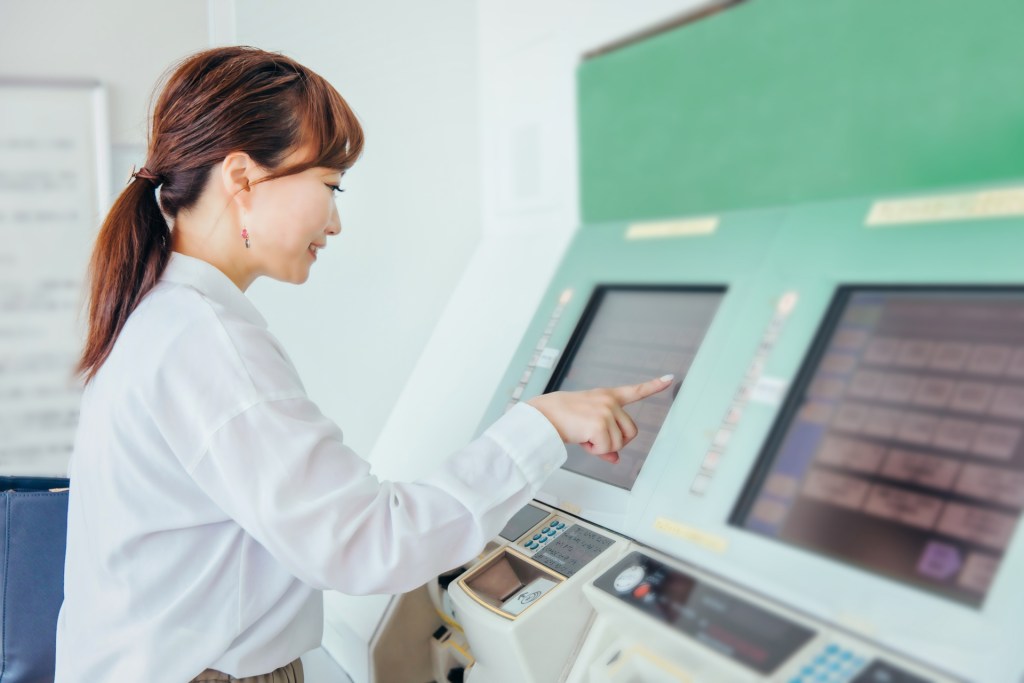
There are automatic machines and counters in the stations with all of them offering English display options, however if you are purchasing a single or round trip ticket, it can get confusing reading the maps. This is why it is recommended that you get a PASMO or Suica, the London equivalent of an oyster card. This is a top up as you go card. A PASMO or Suica will make your life so much easier, plus you can purchase items at the convenience stores or other shops, and also the local bus/shuttle bus tickets with it.
Where to buy a PASMO or Suica?
The PASMO can be purchased at ticket counters in major stations or even in the Haneda/Narita airports.
Airport Shuttle/Limousine Bus

Options and Price Ranges
Airport limousine/shuttle buses are generally the cheapest option, starting from 1500 yen to 3000 yen just one way. Some buses even route directly to hotels or major stations. This is a recommended site to book your airport shuttle buses (click here for the time table).
Pros
- Your luggage is tagged so you can’t pick up someone else’s luggage by mistake and it’s stored underneath the bus so you don’t need to haul it with you.
- You don’t have to worry about seats getting full since there are a set number of seats and tickets.
Cons
- It can get cold in the shuttle bus with the air conditioning, so make sure you bring an overcoat/jacket. Also, if you’re sitting by the window and want to take a nap, you can draw up the curtains to avoid the sun.
- During peak hours, traffic can get congested, so factor that in your timetables for travel.
Note: Before you hop on to the bus if heading to the airport, you’ll be asked which terminal your flight is arriving at or going to.
Etiquette — What Not to Do
- No smoking, eating or drinking inside the vehicles
- In a taxi, don’t jump in before confirming destination and fare (or meter). The taxi doors will open automatically, and the driver will assist with your luggage. Make sure you put your seatbelt on.
- On a shuttle bus, don’t board before luggage is loaded, and don’t take up more space with your handbags/backpack, as there is space overhead to store them.
- On trains, keep your phone silent, avoid talking loudly, follow queue lines for boarding.
Good to Know
- Taxi: you’ll often be asked if you prefer “一般道路” (general/regular roads) or “高速道路” (highway/toll).
- Shuttle buses: you’ll be asked which terminal you’re heading to (Terminal 1, 2 or 3).
- Other handy phrases: “ホテル〇〇までお願いします” (to Hotel ___ please)
Sumifuku Airport Pick Up Service

For a seamless and stress-free arrival, our airport pickup service offers comfort and convenience from the moment you land. Whether you want to avoid navigating unfamiliar routes, expect language barriers, are traveling with children or elderly family members, or simply have heavy luggage and prefer not to walk far, this service ensures a smooth transition to your stay.
For more information, visit here. Message us in advance, so we can schedule one for you.
Which To Take?
Choose a taxi if you want comfort, convenience, privacy, or if you’re traveling early in the morning or late at night.
Book Sumifuku’s airport pickup if you want a reliable and comfortable private pick-up/drop-off service with no stress about routes, transfers, or language barriers.
Opt for the train if you prefer speed, clear English-friendly navigation, and a predictable arrival time.
Take the airport shuttle/limousine bus if you want to save money while still enjoying a comfortable ride—especially convenient if you’re staying near a major hotel on their route.
No matter what you choose, Japan’s transportation options are safe, punctual, and impeccably organised. Here’s also a free transportation guide for Tokyo so you can easily navigate the trains and airport limousine buses. Japan’s transfer system ensures you start or end your trip as smoothly as the country runs itself, so fret not!

Related Articles
- Japan Bus Procedure and Etiquette Guideline: Four Must-Know Before Taking a Bus in Tokyo/Japan
- A Quick Guide to the Tokyo Subway Ticket (Tokyo Metro & Toei Subway)
- Effortlessly Explore Tokyo with HELLO CYCLING: Easy Registration, No Japanese Required!
- Autum Scenery in Tokyo
- Transportation Guide for Tokyo

I’m a travel and content writer, occasionally publishing pieces and short stories on Medium. I love to travel within and outside Japan as well as eat good food, dance, and read!
Topic