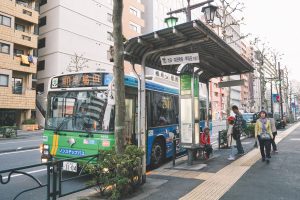
Shinjuku Ward, one of Tokyo’s 23 special wards, is home to the Tokyo Metropolitan Government and Shinjuku Station, one of the city’s main transportation hubs. Shinjuku is a must-visit for travellers exploring Tokyo. It boasts a vibrant mix of major department stores, drugstores, and restaurants, making it a prime spot for shopping and dining.

Yet, within this lively and fast-paced area, peaceful sanctuaries are waiting to be discovered.
Faith in the Heart of the City
While Japan is a highly developed country with cutting-edge technology and modern infrastructure, it also has a rich historical heritage. Travellers in Japan only need to look a little closer to find traces of the past embedded within the contemporary urban landscape—shrines and relics that seem to transport you back in time.
This blend of modernity and tradition isn’t unique to Japan. In many countries, no matter how advanced technology becomes or how much society evolves, religious faith remains a vital source of strength and spiritual support. Even in the busiest, most innovative cities, the presence of faith is subtly woven into everyday life.
If it’s the diligent, hardworking people who uphold a city, faith quietly sustains and empowers them.
A Different World – Nishimukai Tenjin Shrine
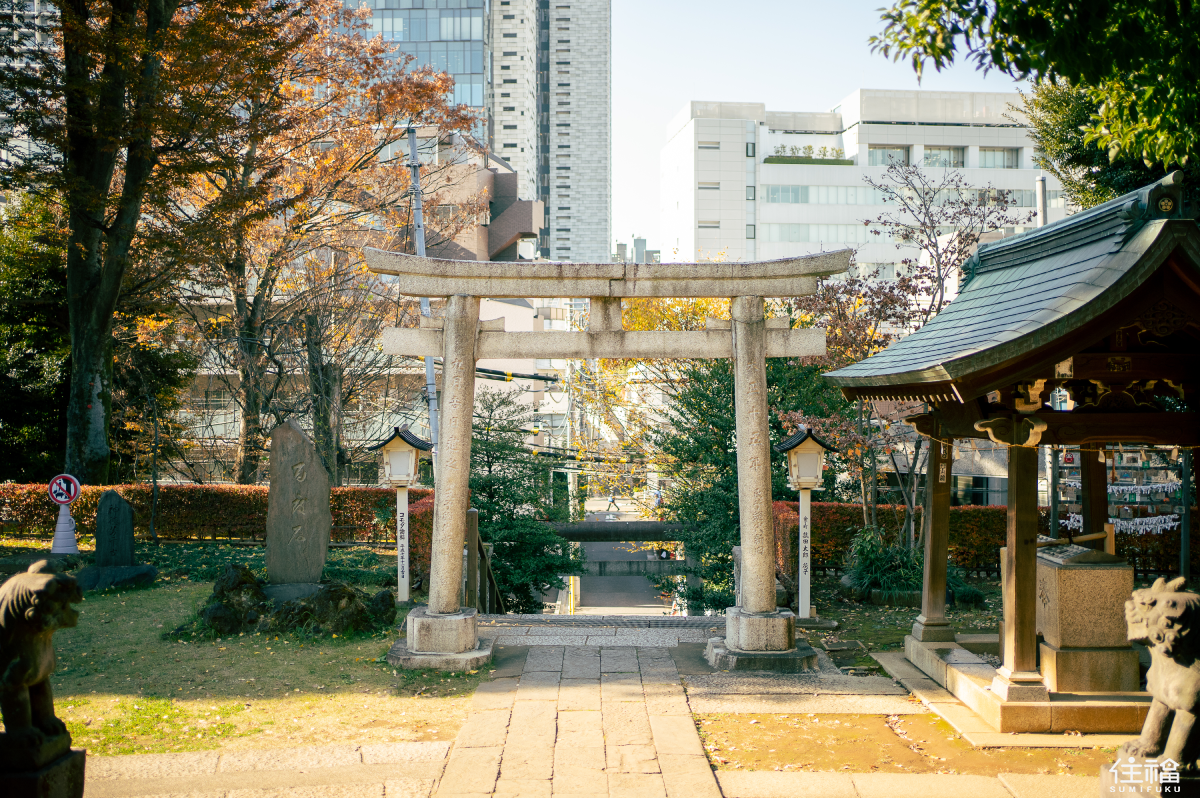
A shrine in Japan is considered the sacred dwelling place of the gods, with the torii gate serving as a grand threshold between the human world and the divine. Within the shrine grounds, known as keidai (境内), boundaries like gates and sacred ropes (shimenawa) mark this space as separate from ordinary life, creating a realm of calm and reverence.

In Japanese, there’s a term, betsu sekai (別世界), meaning “another world.” The characters themselves suggest a place that feels as if it belongs to a different realm, and Nishimukai Tenjin Shrine embodies this sentiment perfectly.
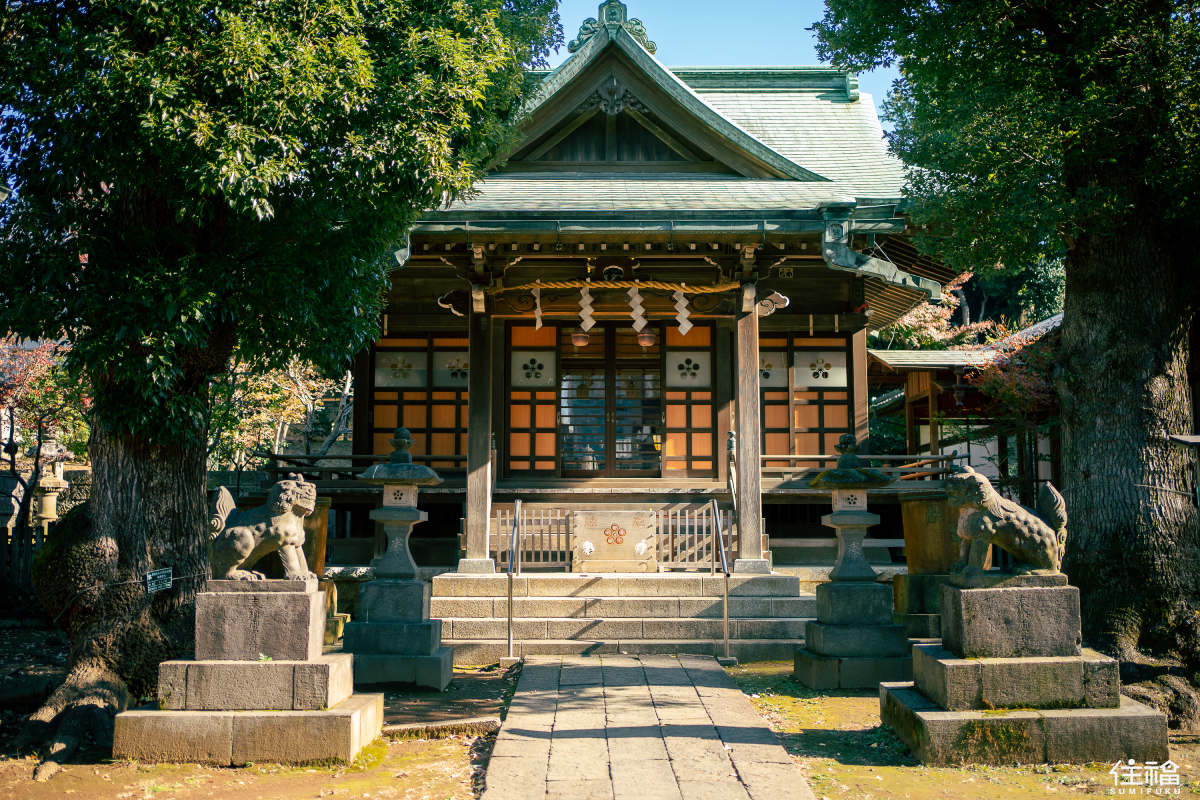
Nishimukai Tenjin Shrine is believed to have been founded in 1282 by the monk Myoe, giving it a history of nearly 740 years. The shrine is named “Nishimukai Ten” because it faces west, reflecting the local geography.
The shrine has faced numerous challenges throughout its history. In the 1570s, it was completely destroyed by fire during a time of war. Although it was rebuilt, it later fell into neglect for reasons unknown. It wasn’t until 1873, when it was officially recognized as a village shrine, that it began to regain its followers and restore its significance.

The main deity enshrined at Nishimukai Tenjin Shrine is Sugawara no Michizane, the god of learning, who was enshrined here from Kyoto’s Kitano Tenmangu Shrine.
Sugawara no Michizane is widely known as the god of education. In Japan, individuals pray to Sugawara no Michizane, seeking success in their studies and intellectual pursuits.
Cultural treasures of the shrine
Although Nishimukai Tenjin Shrine is not large in size, it is home to several nationally designated cultural treasures.

Among the most notable are:
- Two Pairs of Komainu (Lion-Dogs): Komainu are mythical guardian lion-dogs in Japanese mythology, often resembling lions with a fierce appearance. They are typically placed at the entrance of shrines or temples, or on either side of the main hall and worship hall, where they guard and protect the sacred space.
- Higashikubo Fuji-zuka: A Fuji-zuka is a miniature version of Mount Fuji, created as a tribute to the revered mountain, which holds great spiritual significance in Japan. These man-made replicas became popular during the Edo period as expressions of devotion. The Fuji-zuka at Nishimukai Tenjin Shrine was built around 1842, making it a historically rich feature of the shrine.
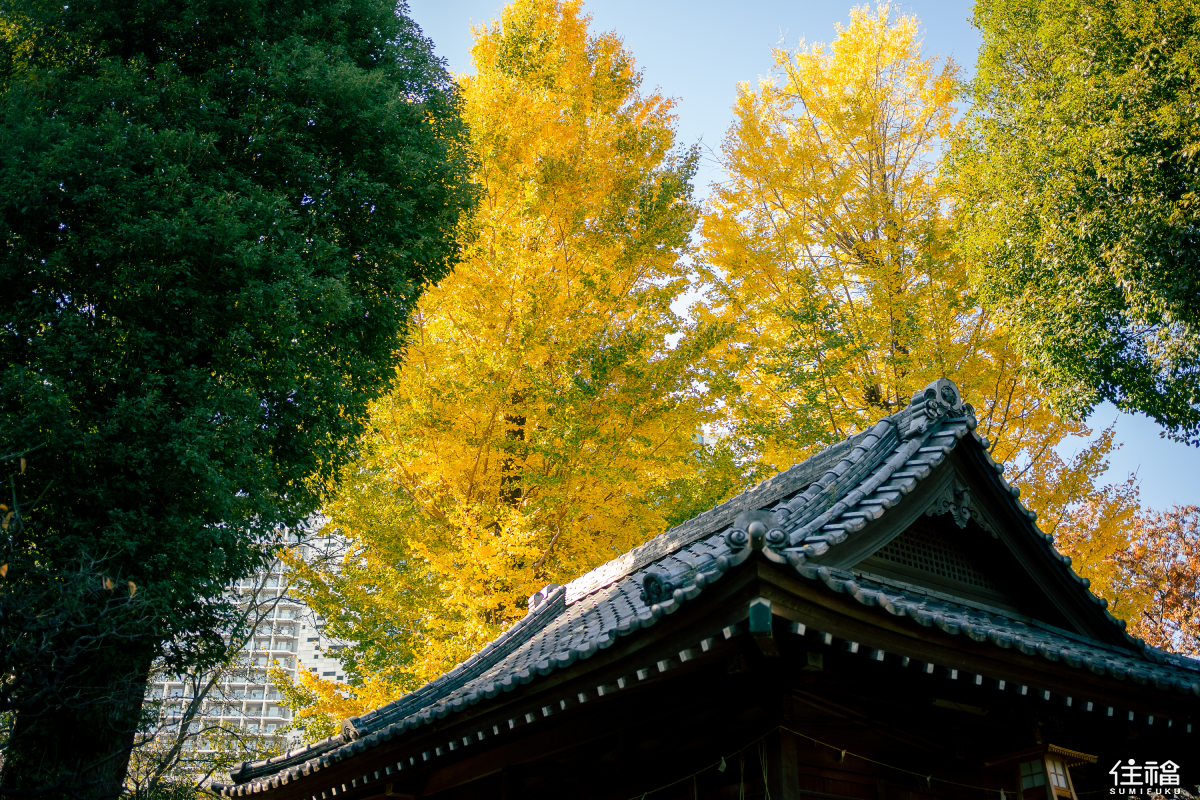
In late autumn, the dense trees within the shrine burst into a vibrant shade of bright yellow, creating a stunning display of color.
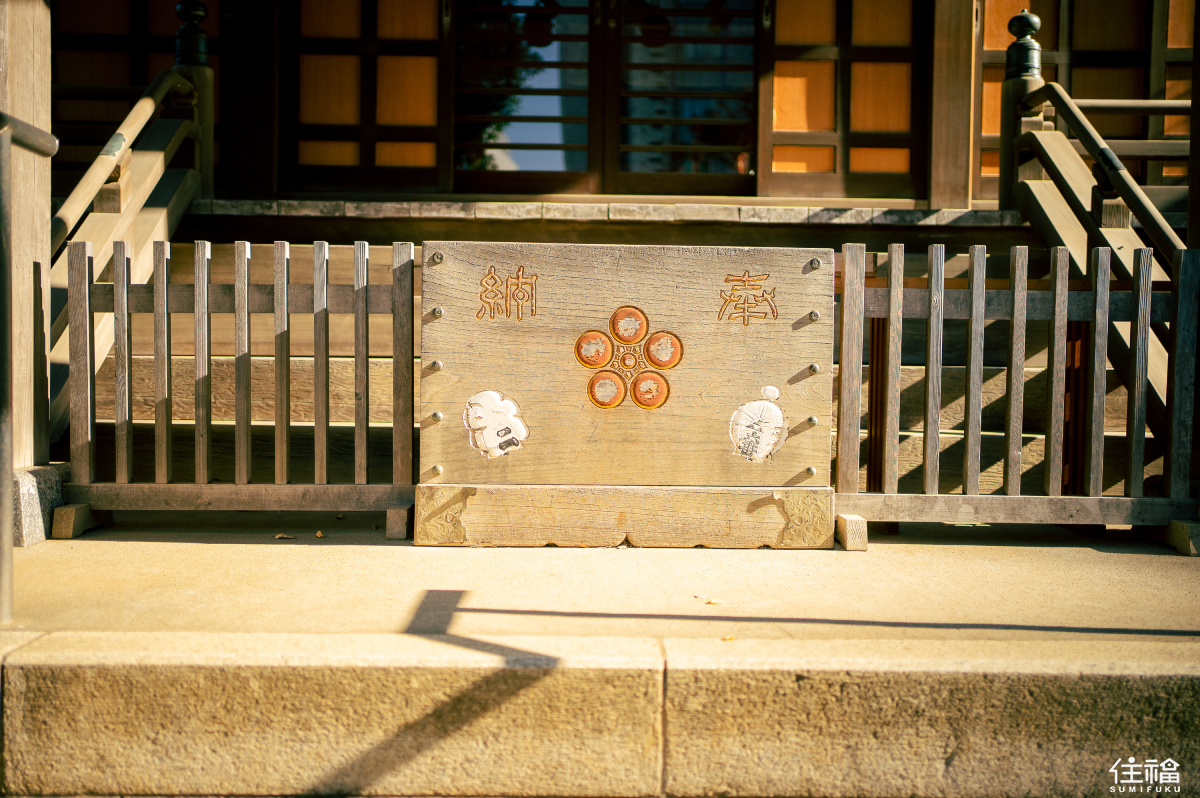
Travelers who enjoy photography will find that the evening light creates beautiful shadows and highlights, offering excellent opportunities for capturing stunning shots.
Bonus Attraction – Tenjin Mountain Children's Park
For travelers visiting with children, after exploring the shrine, why not take a stroll through the Tenjin Mountain Children’s Park located within the shrine grounds? It’s a great spot to relax and let the little ones enjoy some playtime.

While the park doesn’t have many playground facilities, it makes up for it with beautiful scenery and its location within the shrine grounds, away from the hustle and bustle of traffic, making it a safer spot for children to play

Picking up some snacks and drinks and sitting here to let the children play or have a picnic is a delightful way to relax and enjoy the moment.
- Nishimukai Tenjin Shrine
- 6-minute walk from Higashi-Shinjuku Station on the Tokyo Metro Fukutoshin Line
- From Sumifuku Accomodation: A 10-minute walk from the Cozy Vibes Apartments.