Obon (お盆), also known as Bon, is a traditional Buddhist festival in Japan, occurring annually in the summer. Families Celebrating Obon festival in Japan honour their ancestors and deceased loved ones, by participating in various customs and rituals which are passed down through generations.

History of celebrating obon festival in japan
Obon has been celebrated in Japan for over 500 years, with roots in the Buddhist Ullambana Sutra, which tells the story of Mokuren, a disciple of Buddha. According to the sutra, Mokuren sought to free his deceased mother from the suffering of the Hungry Ghost Realm. Buddha advised him to make offerings to Buddhist monks on the 15th day of the seventh month. Following this advice, Mokuren’s mother was released, and he danced with joy, giving rise to the Bon Odori (盆踊り), or Bon dance, a traditional aspect of Obon celebrations.
When is Obon?
Obon dates vary between region, with the most common periods being:
- Shichigatsu Bon 七月盆 (July Bon): Celebrated around July 15th, primarily in eastern Japan, including Tokyo.
- Hachigatsu Bon 八月盆 (August Bon): Celebrated around August 15th, mainly in western Japan, including Kyoto and Osaka.
- Kyu Bon 旧盆 (Old Bon): Celebrated on the 15th day of the seventh month of the lunar calendar, which varies yearly.

How Is Obon Festival Celebrated In Japan?
Day 1
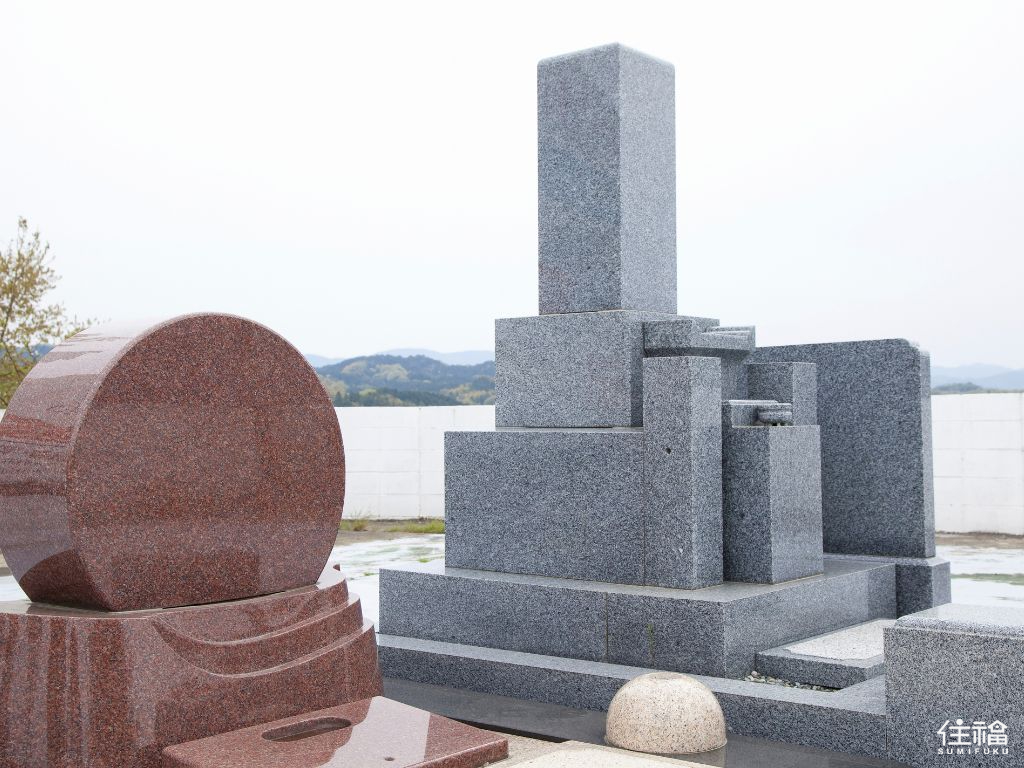
On the first day, spirits are welcomed back to the earthly realm. In the morning, families visit gravesites and the family altar (butsudan), give them a thorough cleaning and leave fresh flowers and fruit.
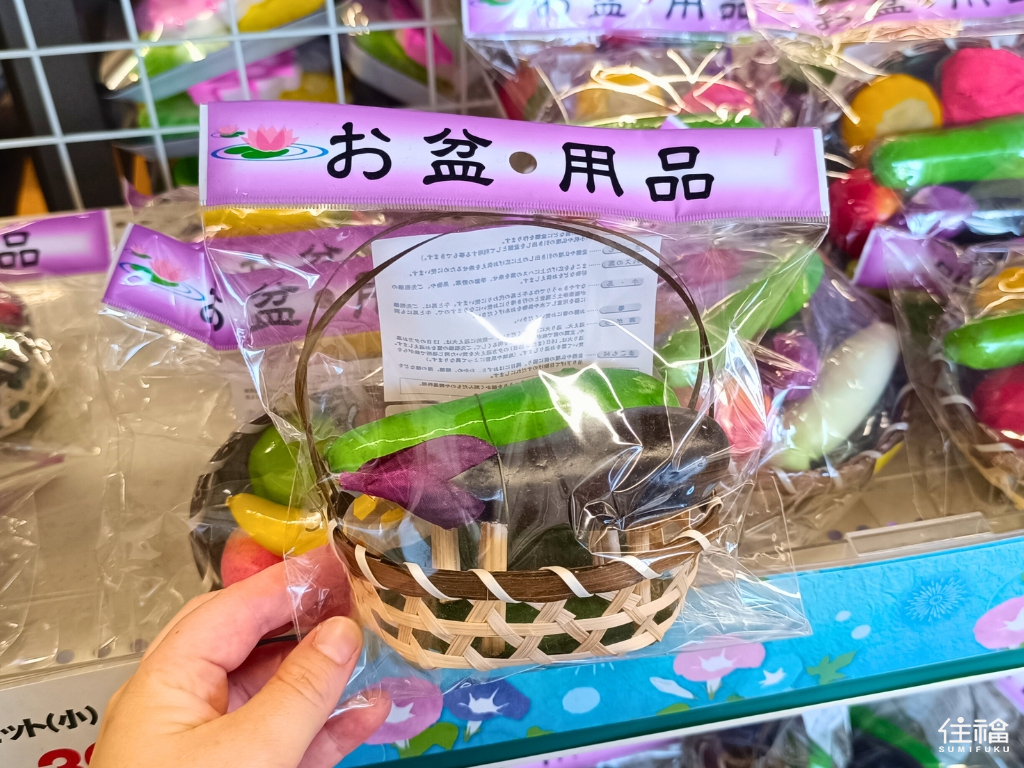
Shoryo Uma, cucumbers and eggplants that are shaped like horses and cows using wooden sticks, are left at gravesites intended for transporting spirits to and from the afterlife. Spirits return quickly on the horse and leave slowly on the cow. Some stores will sell plastic or wooden models, rather than using fresh produce.
During the evening, celebrating Obon festival in Japan consists of lighting paper lanterns, known as chochin, to be placed at grave sites or outside homes. These lanterns, along with small bonfires called Mukae-bi, serve as guiding lights to welcome ancestral spirits back for the duration of Obon.

Day 2
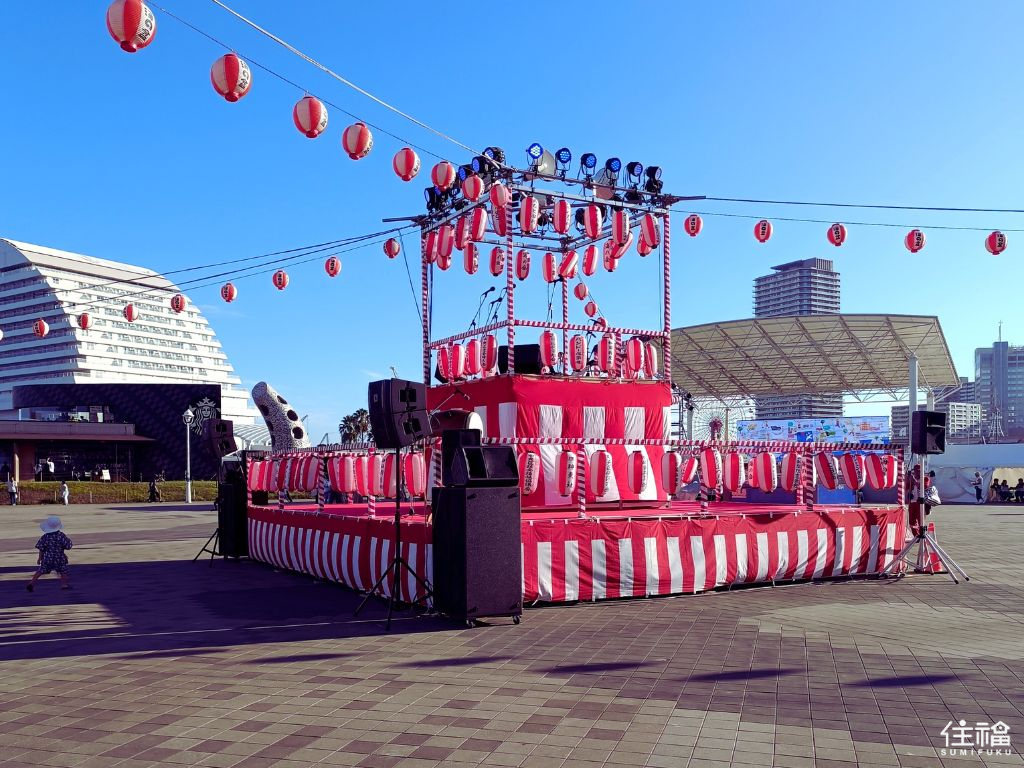
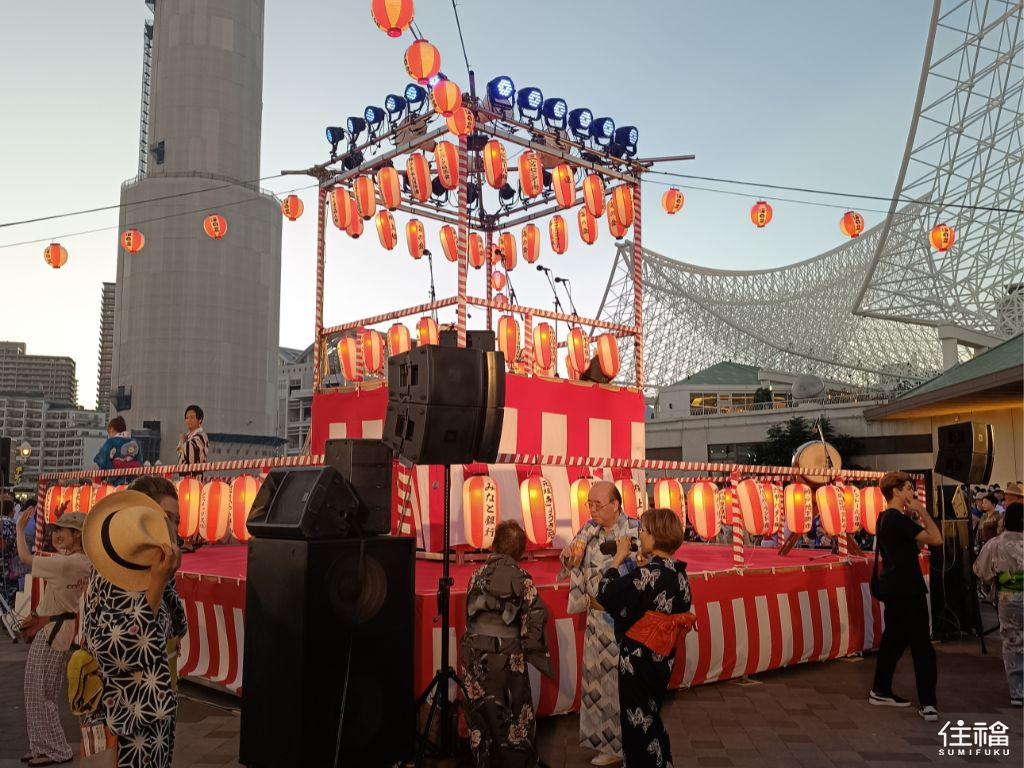
The second day of celebrating Obon festival in Japan is centred around honouring those past and engaging in the festivities. In the morning, offerings (Goku) are placed at butsudan and graves. As dusk falls, Bon Odori (the Bon dance) takes place. It is a lively and communal dance performed during Obon, consisting of simple, repetitive movements to the beat of taiko (drums). Those Celebrating Obon Festival in Japan often wear yukata (light summer kimono) and dance around a yagura (raised platform).
Day 3
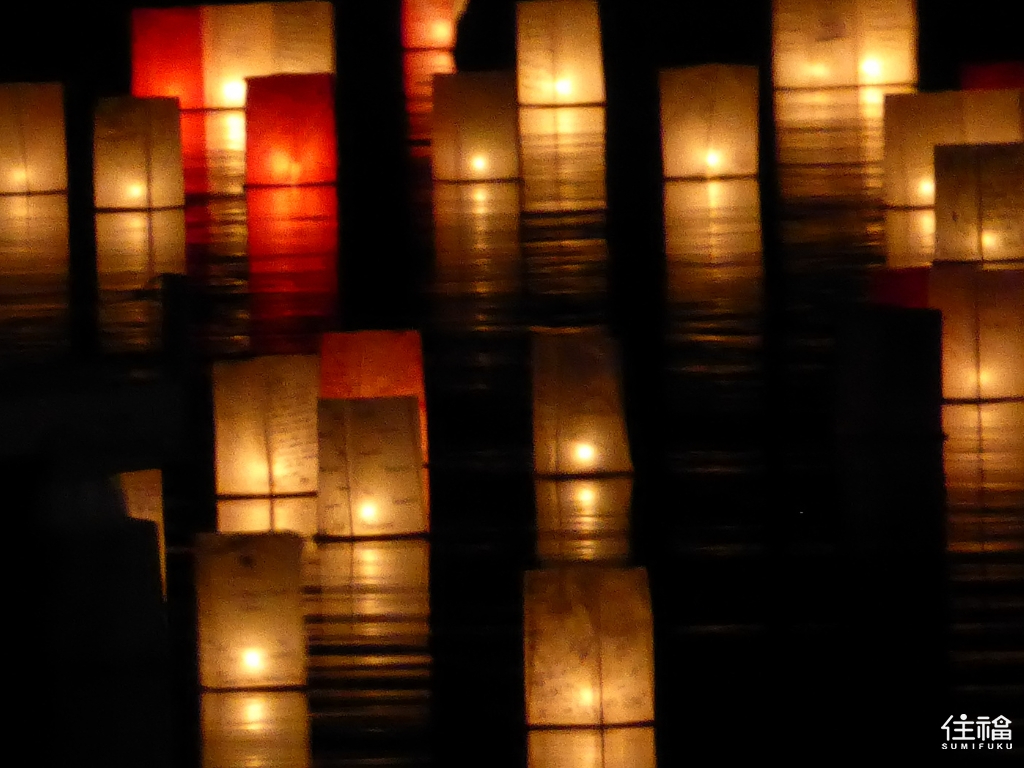
The last day of Obon, is for farewelling spirits back to the grave. Offerings are replenished on the butsudan and grave in the morning, and in the evening Okuri-bi (Sending-off Fires) are lit to guide the spirits back to the afterlife. On the final day of Obon, the paper lanterns are floated down rivers or the sea in a ritual called Toro Nagashi, guiding the spirits back to the afterlife.
While the core elements of Obon are consistent across Japan, there are regional variations to Celebrating Obon in Japan.
Traditional Offerings (Obon No Okurimono)
Offerings play a crucial role in Obon, symbolizing respect and remembrance for the deceased. The five primary offerings, known as “Goku,” have deep symbolic meanings.
Incense (Kou): Incense sticks are offered to let ancestors and Buddhas enjoy the scent. They also serve to purify the offering family and the worshipers themselves. The sight of the smoke rising to the heavens is interpreted as connecting this world with the afterlife. Incense is offered every morning at the end of offering the other five items.

Candle (Toushoku): Candles are symbolic of illuminating the world. In Buddhism, following the light of a candle is believed to eliminate hesitation. The slow burning of the candle also represents the impermanence of life.

Clean Water (Jousui): Clean water is an essential offering and it is very important not to let the water on the altar run out during Obon.
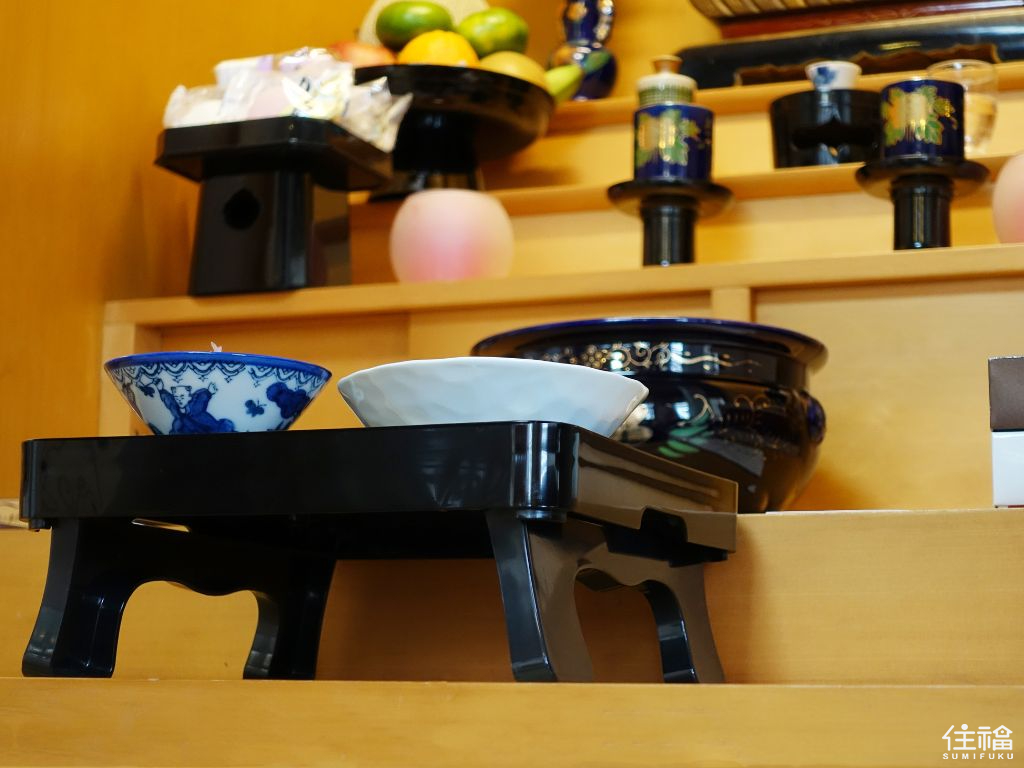
Food (Onjiki): The same food the family eats is placed on a plate so that ancestors can partake immediately. During Obon, a special set called a spiritual offering is placed by the altar.
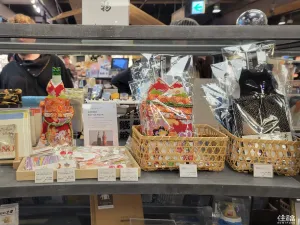
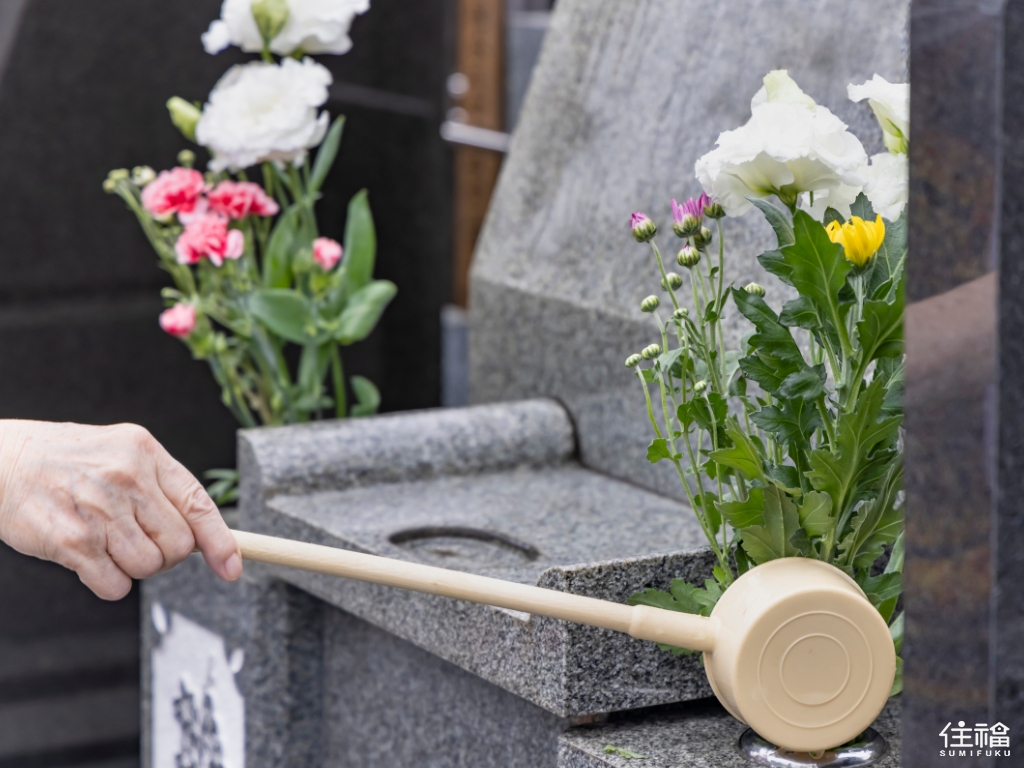
Flowers: Any flowers can be offered although it is common to choose flowers that the deceased loved. They are offered in odd numbers, such as 3, 5, or 7, and placed in pairs on the left and right sides of the altar. Red flowers like roses are reminiscent of blood so are usually avoided. Strongly scented flowers are also avoided and so artificial flowers like these below are sold in stores and supermarkets.

common Offerings for Celebrating Obon in Japan
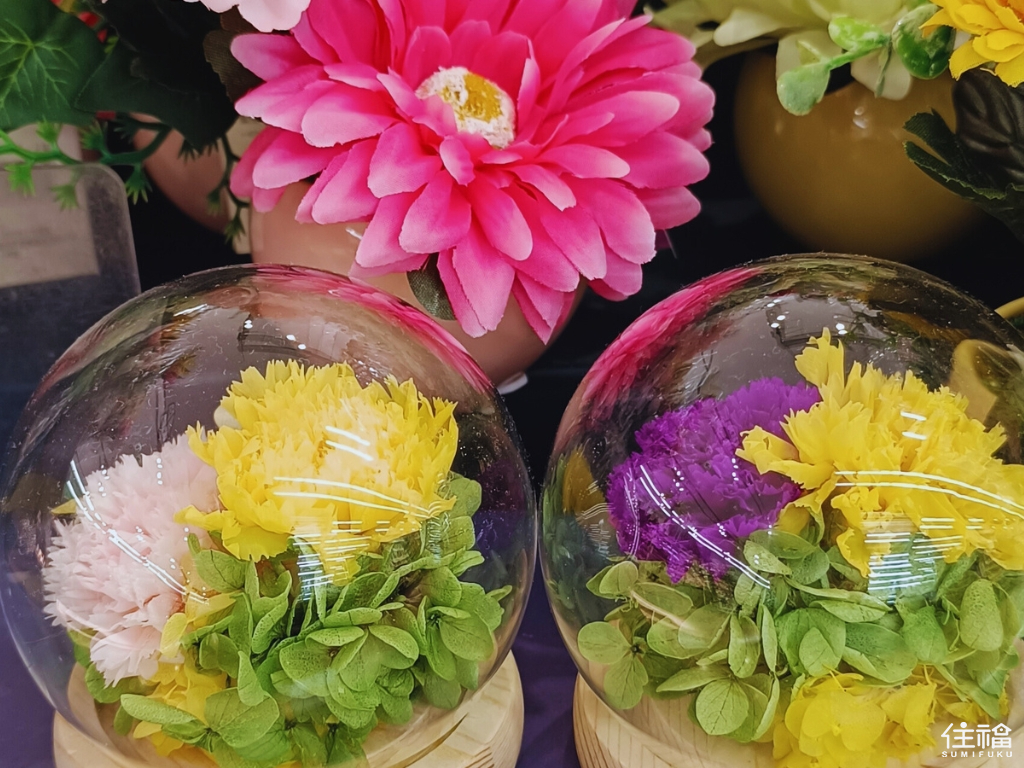
Fruits: Seasonal fruits like peaches, watermelons, and grapes are common. Like the flowers, fruits are left in odd numbers in baskets, as even numbers symbolize breaking ties with the deceased. Some supermarkets sell small sets of dried fruits and flowers like this one.

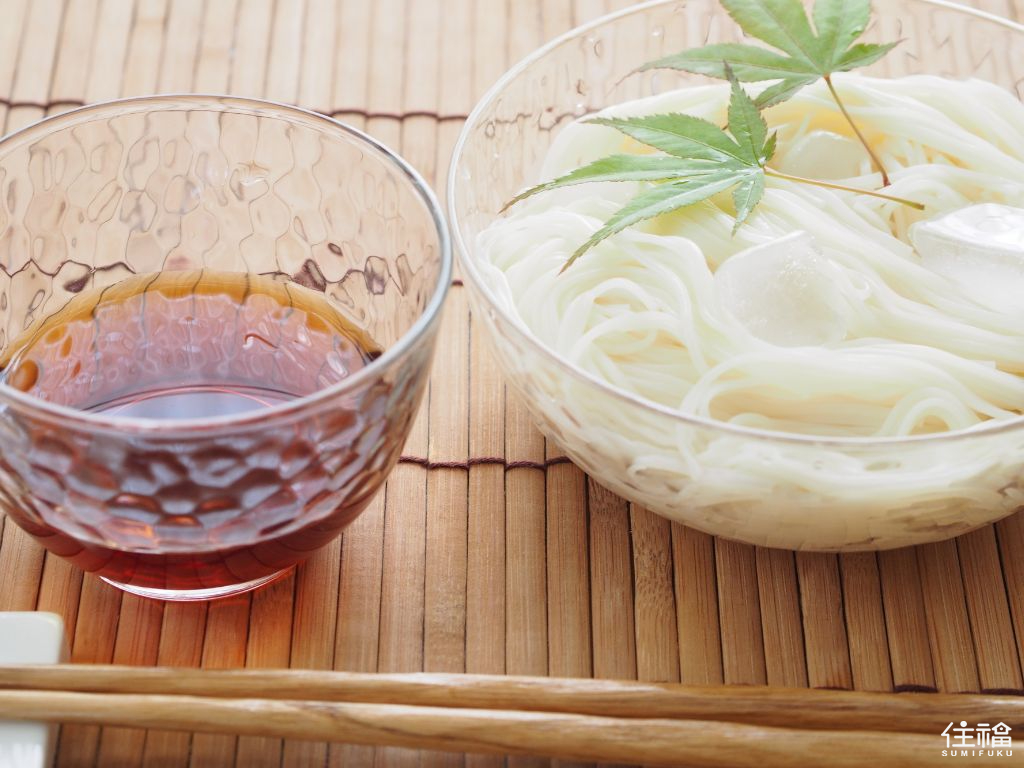
Somen Noodles: Somen noodles, a popular summer dish, are often chosen for their meaning of “keeping happiness thin and long.” This custom varies by region, with some incorporating somen noodles from the Tanabata festival into the Obon celebrations.
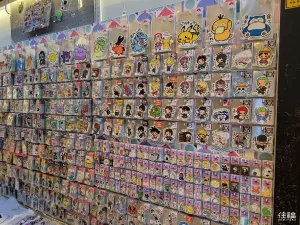
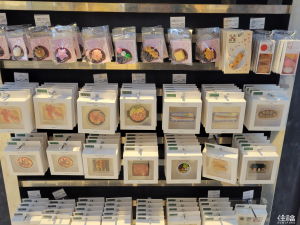
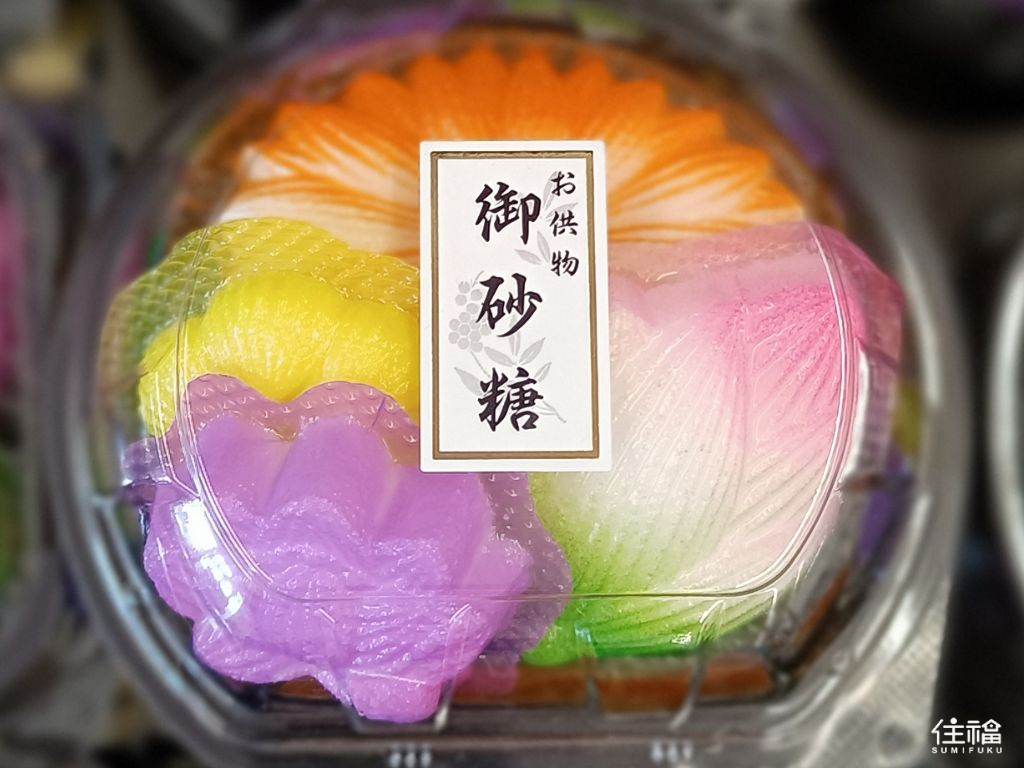
Kazarigashi (飾り菓子): From mid-July, Japanese supermarkets and shops begin to sell these decorative sweets typically made from ingredients like rice flour, sugar, agar-agar (a vegetarian gelatin substitute), and natural food dyes. They come in many different shapes, sizes, and beautiful colours. They often feature elaborate designs that reflect seasonal motifs or symbols of good luck and prosperity.

Some common types include:
- Nerikiri: Soft, sweetened bean paste molded into various shapes and colored with natural dyes.
- Konpeito: Small, colourful sugar candies often served in small dishes or used as decorations.
- Higashi: Dry, hardened candies molded into intricate shapes, sometimes resembling fruits, flowers, or seasonal symbols.
Etiquette And Taboos During Obon
Observing proper etiquette and being aware of cultural taboos are essential aspects of respectfully participating in Obon. Here are some key considerations:
- During Obon, it is advised to refrain from pastimes that involve taking the lives of living creatures, such as fishing. This practice aligns with the respect for all forms of life during this sacred period.
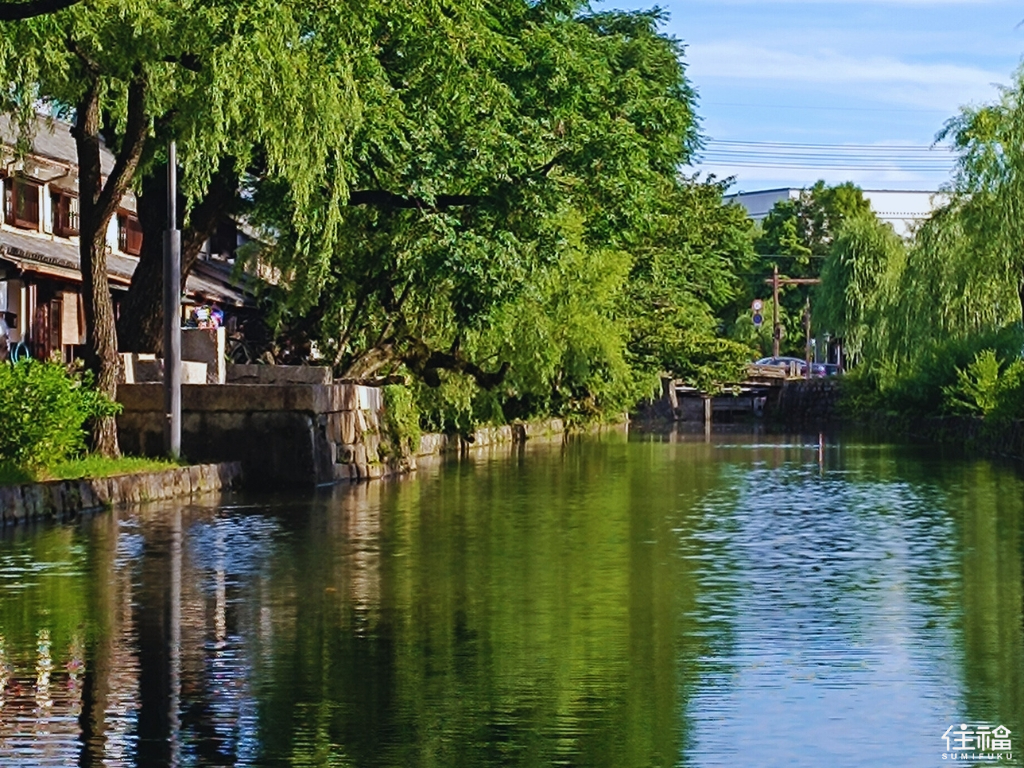
- Bodies of water are considered the “boundary between this world and the afterlife.” In some areas, there is even advice against approaching them during Obon to avoid any mishaps or disrespect to the spirits.
- As Obon is a period for honouring the spirits of ancestors, it is best to avoid registering your marriage, holding a wedding ceremony, and other celebratory events.
Travel During Obon
The peak travel period for Obon in 2024 is expected between August 10th and August 18th, with the first and last two days expected to be the busiest as people leave Tokyo and other cities to return home. If you are travelling during the Obon Holiday Period, here are some helpful tips.
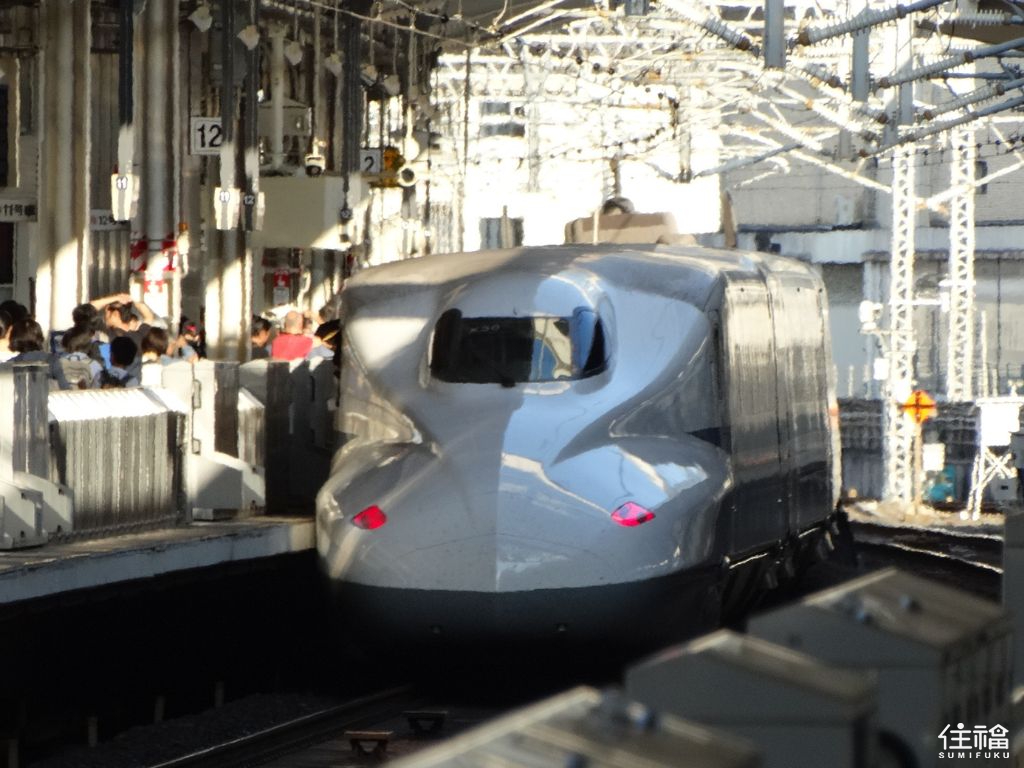
1) Reserve your seats on the Shinkansen (Bullet Train) early! Japan Railways (JR) recommend reserving your seats during this time and if you are travelling on a Nozomi, you MUST reserve your seat! Don’t forget to reserve a space for your oversized baggage! You can reserve via the official website or download the app.

2) Arrive at the airport early! Lines at check-in, particularly for domestic flights, will be much busier than normal. Allow plenty of time to avoid missing your flight. If you are travelling to the airport by bus or train, make sure to check the timetable as these often operate to the weekend or holiday schedule.

3) As many people take time off during Obon, it is important to check if places like clinics or restaurants are open. However, banks, post offices and supermarkets continue to operate as usual during Obon.
Did you know we also have an Instagram page? See our page for more Tokyo and Japan-related content, exclusive discount codes and more!

Related Articles

Kiwi Mum living in Kansai. I love to travel with my family and share our adventures through photography and writing.
Social Media Manager and Medical Writer.
Topic